FAST
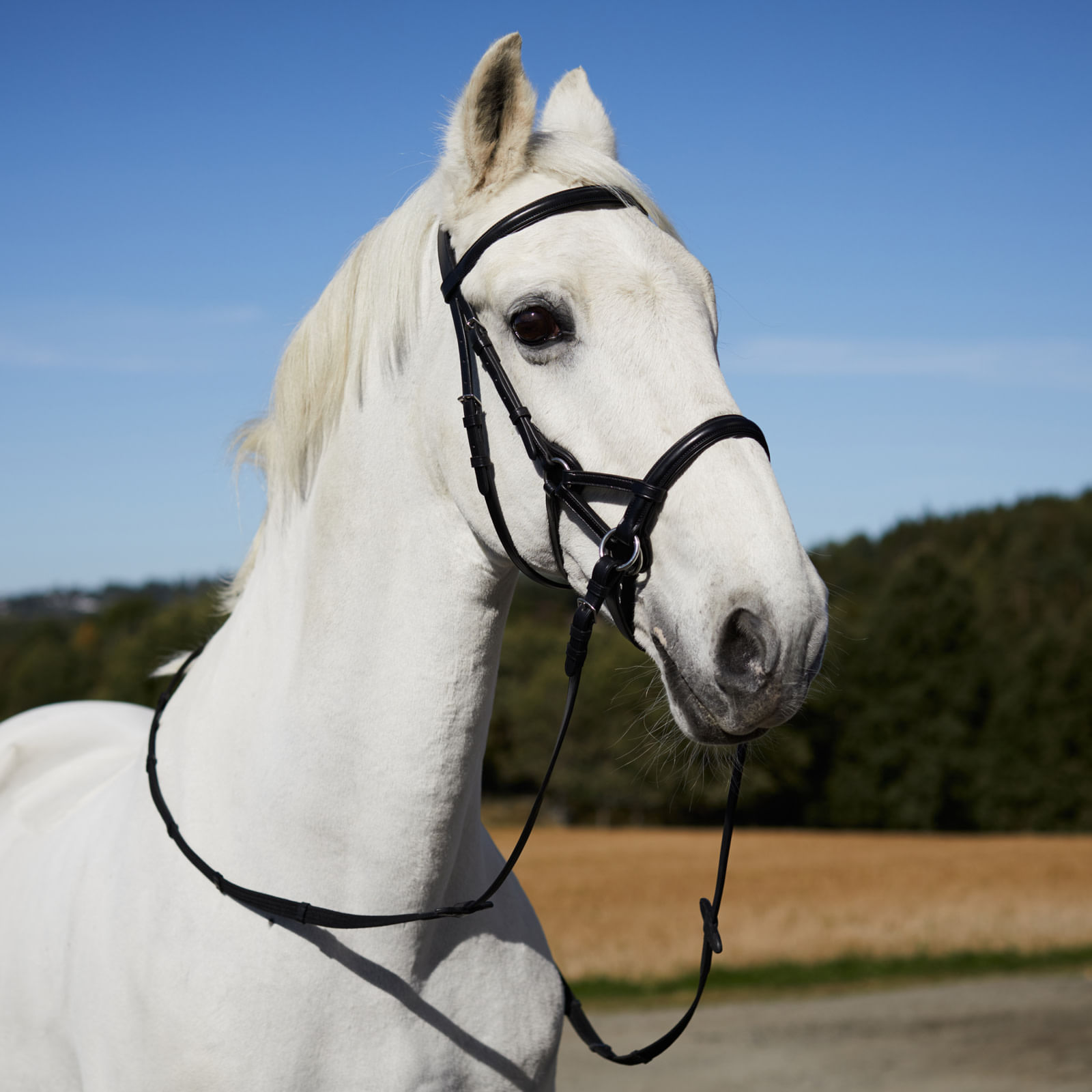
Horze Denver Bitless Bridle - Black
$99.99
Bitless control, nose and poll
Steer from the nose and poll with nothing in the mouth. Choose a side-pull bitless bridle for a light, direct signal or a shanked hackamore for added leverage, then fit it to your horse's head.
Updated November 2026
Shop bitless bridles & hackamores by brand
Find Your Fit
Horse and curb fits
In the Spotlight
Nunn Finer hackamores in a range of shank styles and noseband finishes.
Nunn Finer hackamores
Nunn Finer hackamores with different shank lengths and noseband styles.
Two riders describe how the Zilco Flower Hackamore worked for their horses, one on a pony and one across several leverage settings.
I originally purchased this hackamore for my mare who found the traditional hackamore too strong. I wanted something with adjustable leverage and that had a more forgiving material. This product was perfect! The Waffle Padded Noseband never left rubs and it proved to be strong material. Although it did not work out for my powerhouse mare as it was just not enough, it was a perfect fit for our pony who went along in it on the lowest leverage option.
This is the one hackamore that fits all with the multiple clip/rein settings, based on the amount of leverage you need for the activity. I recommend adding clips to the end of your reins though for easy adjustments between ring options.
The Bitless Edit
Bitless bridles and hackamores move the rein signal off the mouth and onto the nose and poll. These four sections cover how each style works, which one to try and how to fit it.
Shanked styles
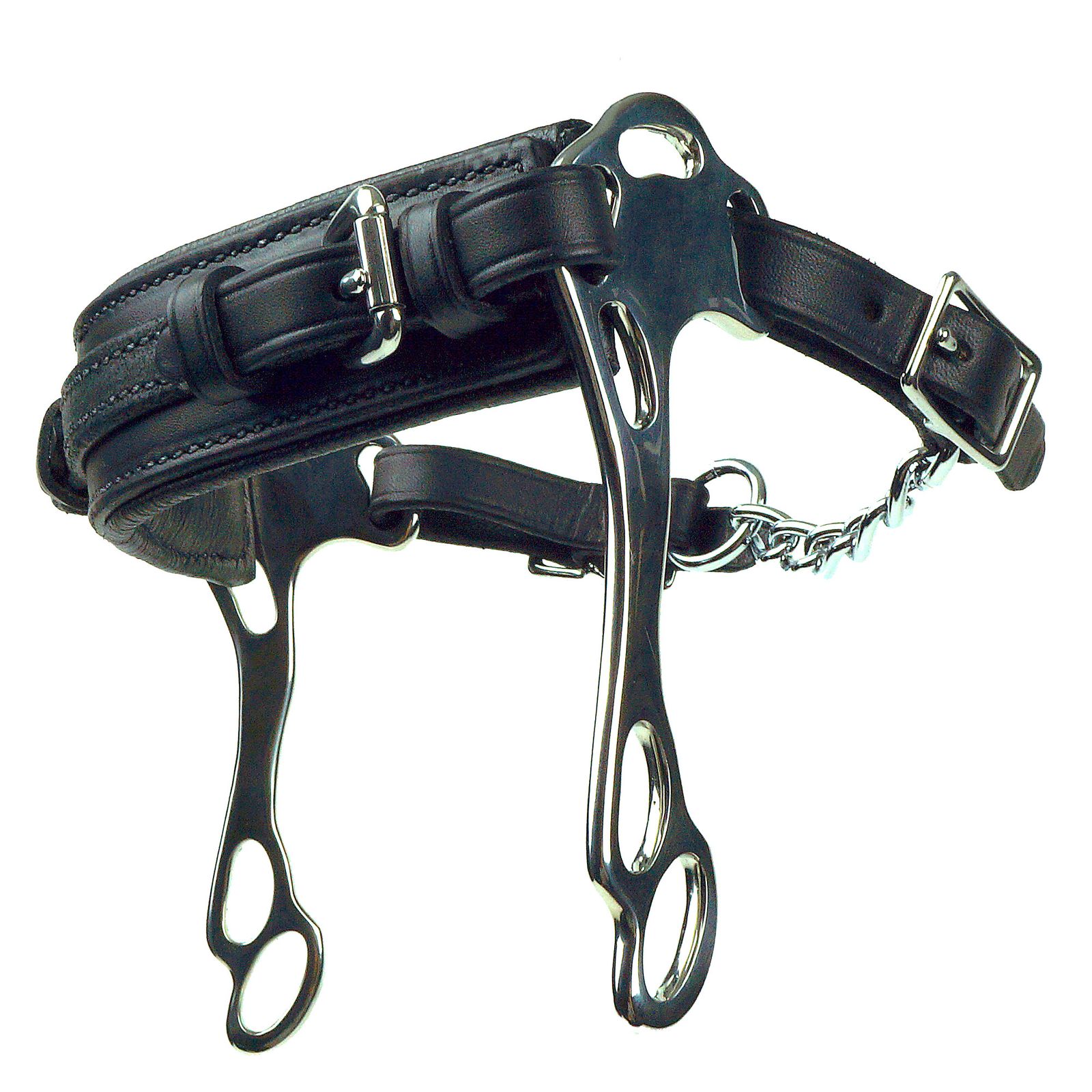
The Nunn Finer Persuader Hackamore shows how a hackamore bit for horses works: a noseband carries shanks that act on the nose and chin groove, so the rider gets leverage with nothing in the mouth. Nunn Finer, Herm Sprenger and Zilco each build the idea differently, from compact shanks to styles with several rein positions. Shank length is the main variable to compare before you choose.
Shank length sets the feel. The Herm Sprenger Padded Nose Short Shank Hackamore keeps the shank short, while the Zilco Flower Hackamore lists several clip and rein positions so a rider can change the leverage. One rider says a short-shank Herm Sprenger hackamore does not clank against the side of the mouth the way some other shanked styles do. Look elsewhere if your division requires a bit, because a hackamore will not meet that rule.
What Riders Say
Herm Sprenger Padded Nose Short Shank Hackamore
My mares have been going in an H/S Hackamore for years. About 15 to be exact. I decided to buy another for the occasional friend who rides with me. The one I bought is a carbon copy of the one I have had for years and I am sure it will last another 15 years or so. My mares seem to like it too, and I think it is because it doesn't clank them in the side of the mouth the way some other shank hackamores do. Definitely worth the price.
Herm Sprenger Padded Nose Short Shank Hackamore
I have a mare with a REALLY sensitive mouth . I have tried every bit under the sun and nothing would keep her from getting bothered by the bit. I bought this hackamore as a last resort and I have never seen my horse go so smoothly and calmly. I high recommend this product to everyone
Side-pull styles
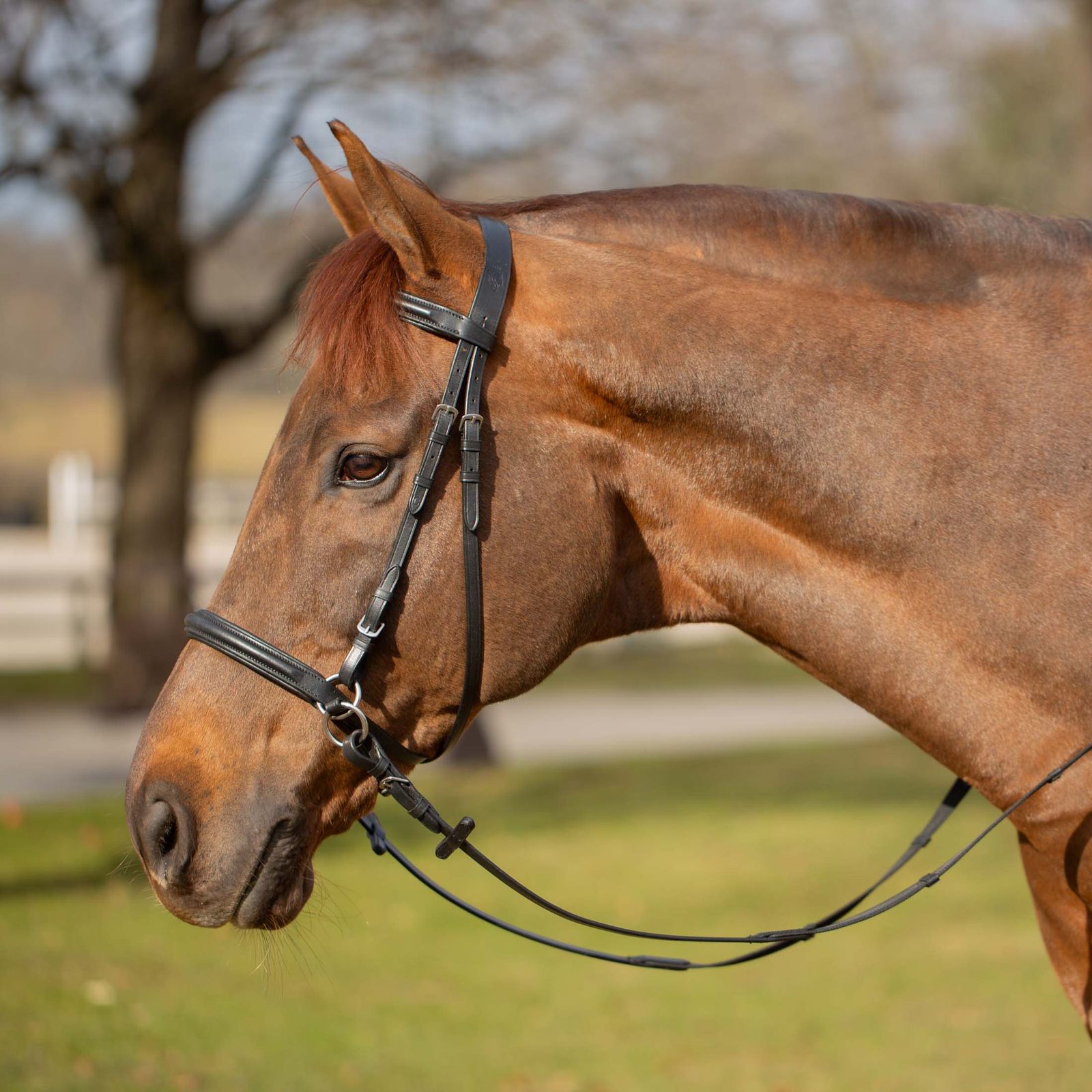
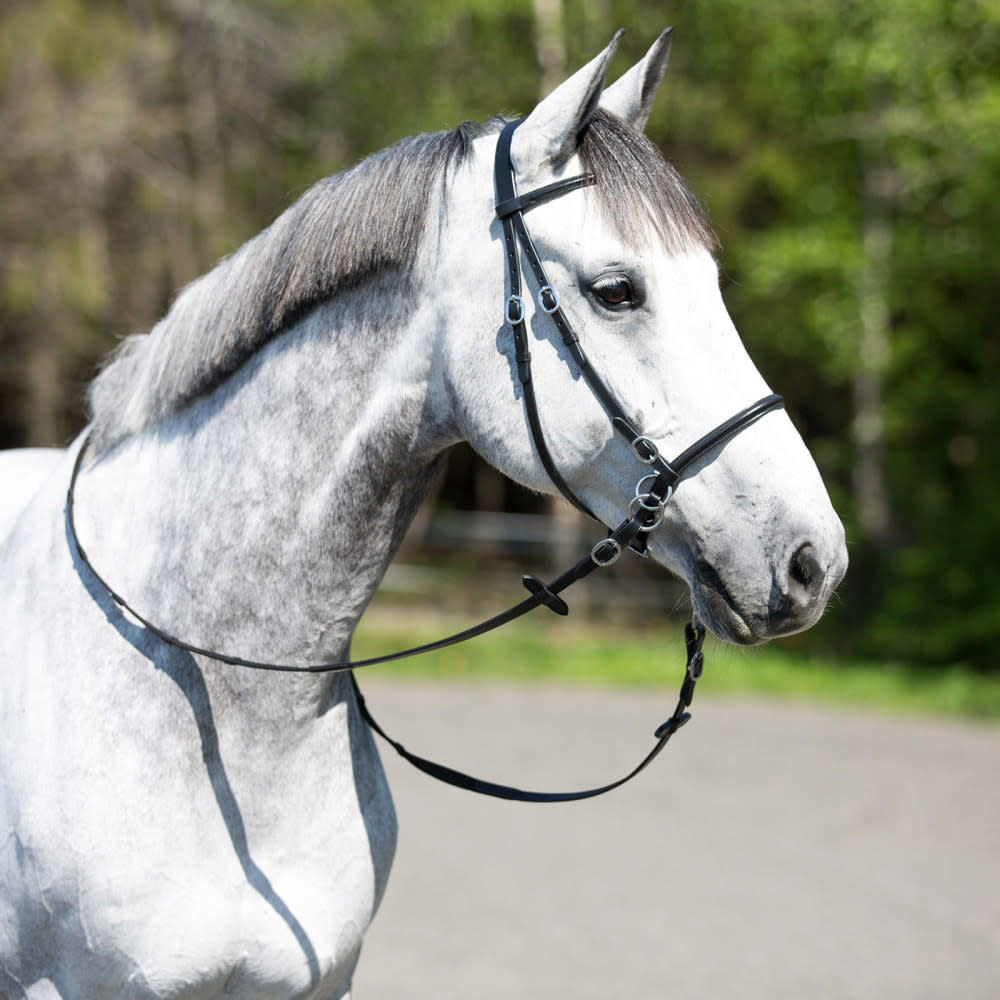
The Horze Denver Bitless Bridle shows how a side-pull steers: a noseband with rein rings at the cheeks sends the rein signal to the nose and poll, and the mouth stays free. There are no shanks, so the signal is direct and closer to a plain bridle than to a hackamore. Horze also makes the Horze Lyon Anatomic Side-Pull Bitless Bridle, which is cut to an anatomic shape.
The Equinavia Saga Bitless Bridle is a third side-pull from Equinavia and sits beside the Horze Denver and Lyon in the side-pull family. A side-pull is the lighter of the two families because nothing multiplies the rein pressure. Look elsewhere if your horse needs the leverage of shanks to stay soft, because a side-pull will not add it.
Horze bitless bridles and hackamores
Horze side-pull bitless bridles and a leather hackamore.
Which to choose
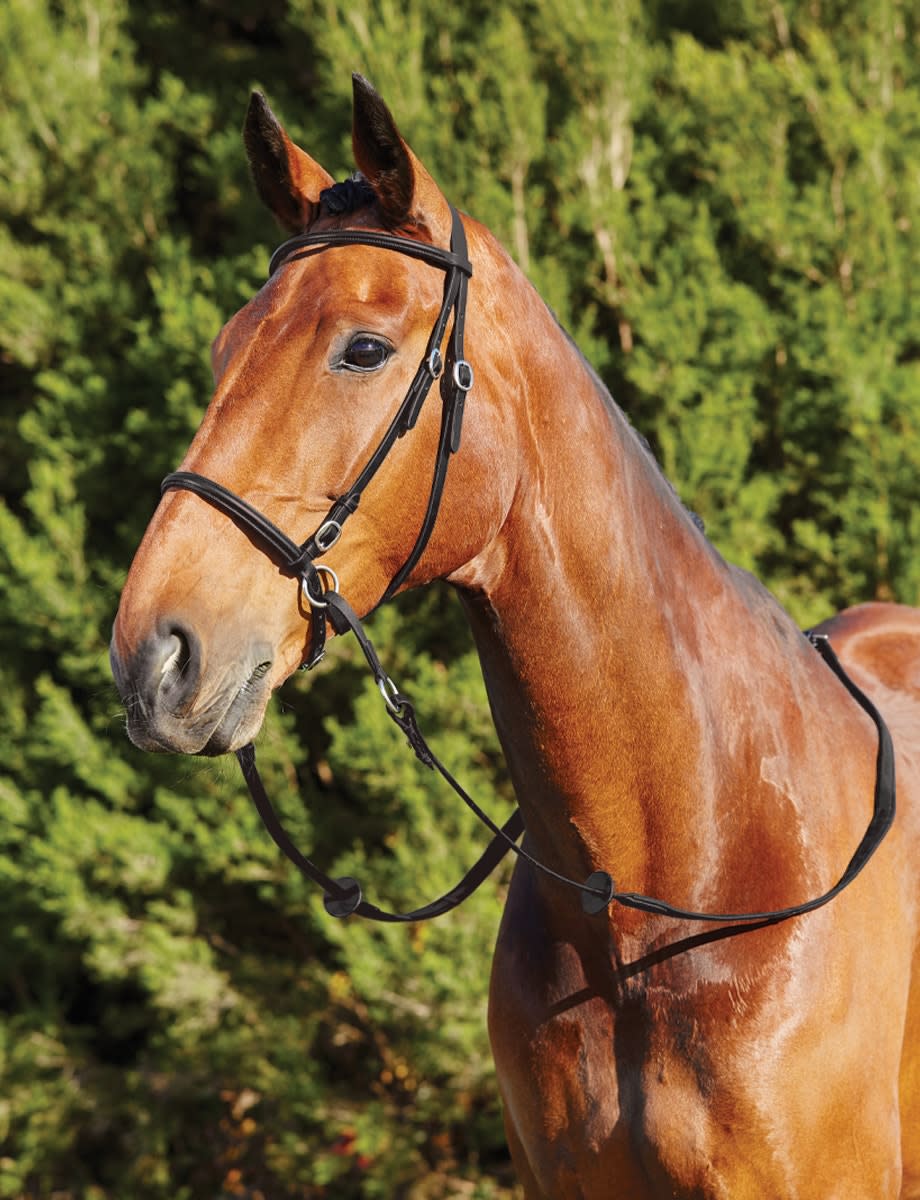
The Dublin Bitless Bridle suits a rider who wants a quiet, direct signal and no shanks, while the Zilco Hackamore Bridle suits a horse that needs leverage to stay soft. The question is how much signal your horse needs, not which style sounds milder. Ask what your horse does when you close your hand on the rein: if a light signal already works, a side-pull is the place to start.
The Equinavia Saga Hackamore Bridle with Rubber Reins pairs a hackamore with rubber reins for a secure grip. Whichever you try, read the maker's fitting notes on the product page and compare them with your measurements. Rules on bits and nosebands vary by organization and division, so check your rulebook before you show.
Fit by head
Size a hackamore or bitless bridle by the head, not by the horse's height: Pony, Cob and Horse names follow nose and head measurements, and they vary by maker. Measure around the nose a finger width below the cheekbone, then from poll to nose, and compare both numbers with the maker's chart. On both styles the noseband carries the signal, so a good nose fit is what lets the bridle work.
Our Barn Talk guide to bridle sizes explains the standard names and how they differ between makers. The Horze Leather Bitless Bridle is a useful one to check your measurements against, and the size filters above sort the range by Pony, Cob, Horse and curb-chain fits. Look elsewhere if your horse falls between two sizes and the maker lists no adjustment range.
Questions riders ask
A hackamore is headgear that works on the nose and chin groove instead of the mouth. Mechanical versions add shanks that multiply the rein pressure, and bosal styles do not. Riders choose a hackamore when they want leverage without a mouthpiece. Compare shank lengths on the product pages and pick the style that matches your horse.
A side-pull bitless bridle puts rein pressure on the nose and poll through rings at the cheeks. A hackamore adds shanks, which multiply the rein pressure and add leverage. The first is a more direct signal and the second a stronger one. Start with the side-pull if you are unsure, and move to a hackamore if the horse needs more.
Measure around your horse's nose a finger width below the cheekbone, then from poll to nose, and compare both numbers with the maker's size chart. Pony, Cob and Horse vary by brand, so never assume one brand's size matches another's. Check the chart on the product page before you order.
Rules vary by organization and division, and many classes require a bit. Read the current rulebook for your class and your organization before you enter. If the rulebook is unclear, ask the show secretary in writing and keep the answer, then choose your bridle for that class.