
Filters
Size:
Brand
Department:
Filter Color:
Riding Style:
Winter:
Price ranges
How to pick the right equestrian winter coat for the way you ride, and what the labels mean.
A good winter riding jacket does two jobs: it keeps you warm standing still at the barn, and it moves with you in the saddle. Here's how to read fill weights and waterproof ratings, when a long coat beats a jacket, and which features actually matter on horseback, with top brands like Mountain Horse, Kerrits, Horseware, LeMieux and Shires Aubrion, all for less.
Shop Winter Outerwear →Rain Gear Guide Updated September 2026Bleachers and ringside call for length. Barn chores call for a jacket you can move in. Pick the coat for the coldest hour of your day.
Fill weight in grams is the quickest way to compare how warm two coats are. It compares best within the same brand.
The higher the mm rating, the more rain and wet snow the fabric keeps out. Taped seams keep it out at the stitching.
Back vents, two-way zips and leg straps are what make a riding coat work in the saddle. Look for them before you buy.
The warmest coat isn't always the right coat. A long winter riding coat that's perfect in the bleachers can feel like a sleeping bag while you muck stalls. Match your equestrian outerwear to where you spend the cold part of the day.
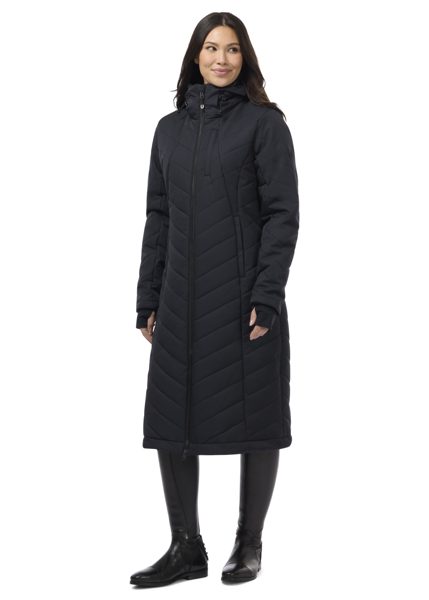
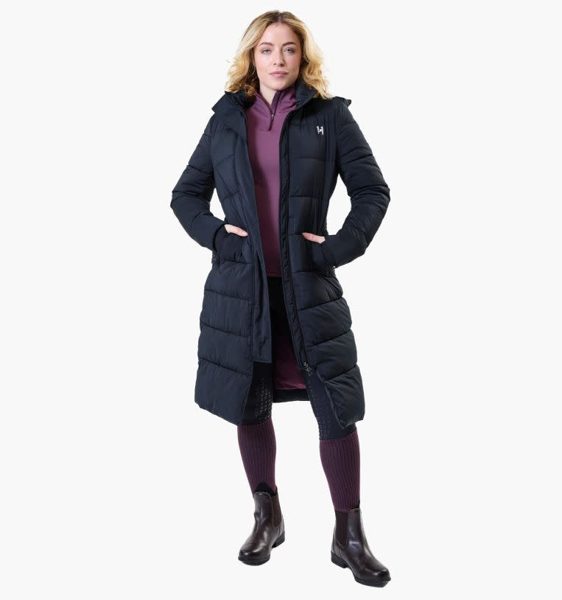
Go long. A knee- or calf-length coat or parka keeps your legs and seat warm when you're not moving.
Choose a hip-length quilted jacket or a vest. You'll warm up fast, so pick something you can unzip.
Winter daylight is short. Add reflective trim and a windproof layer for roads and open fields.
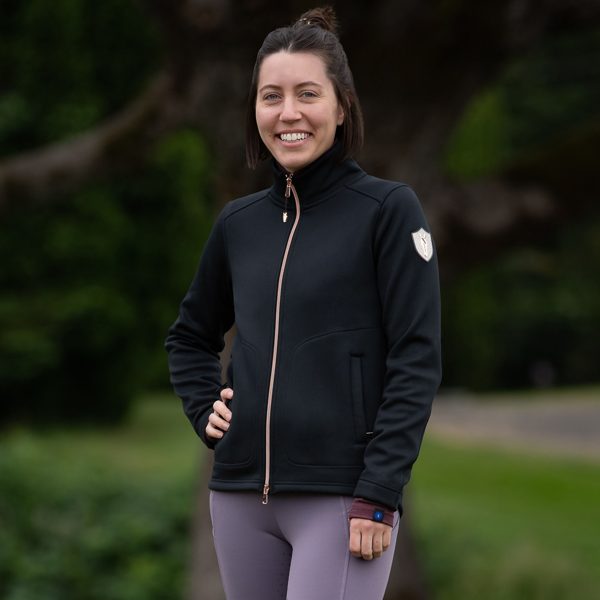
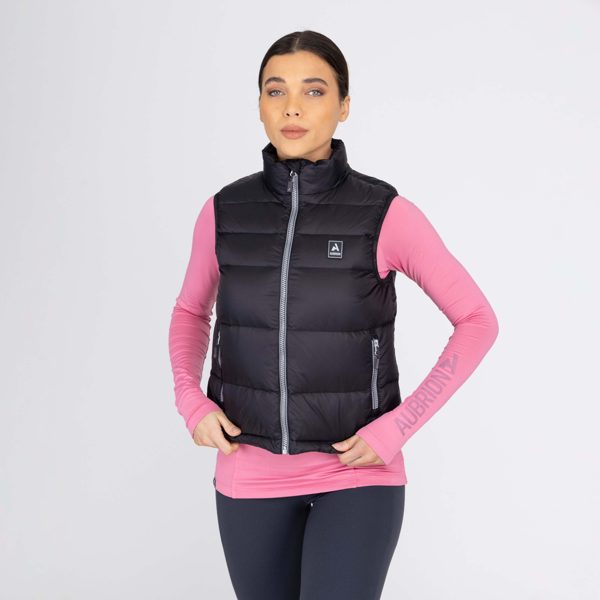
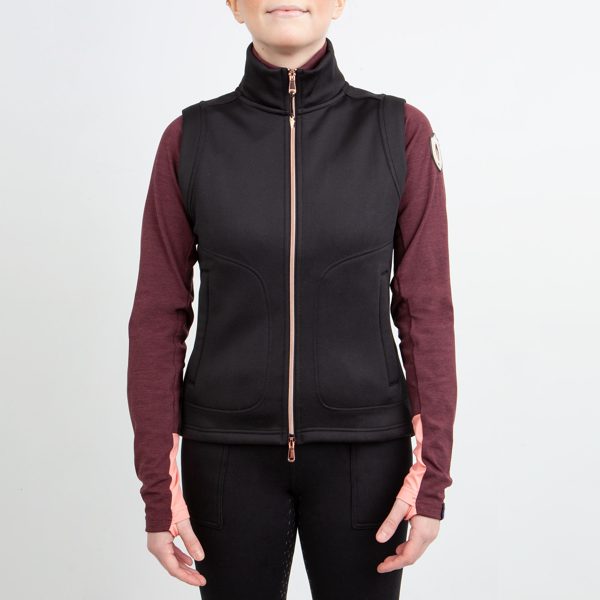
Layer up so you can peel off as you warm up. A quilted vest or fleece keeps your core warm and your arms free.
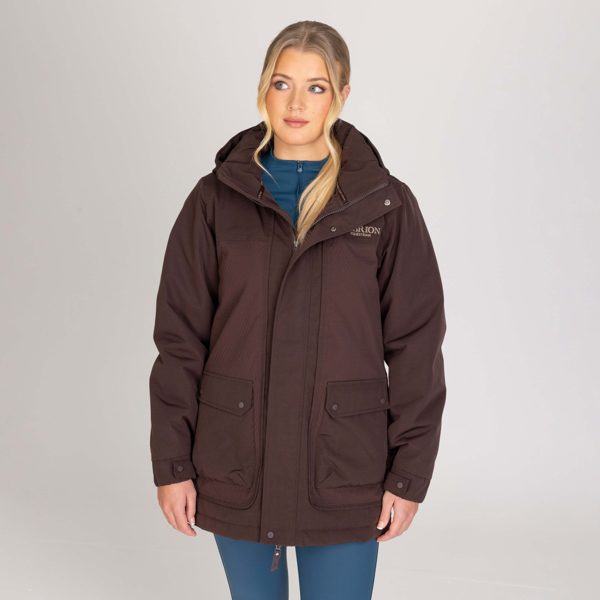
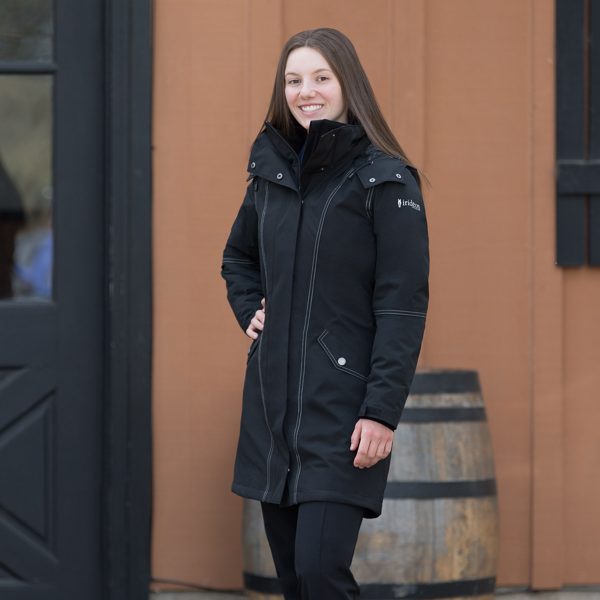
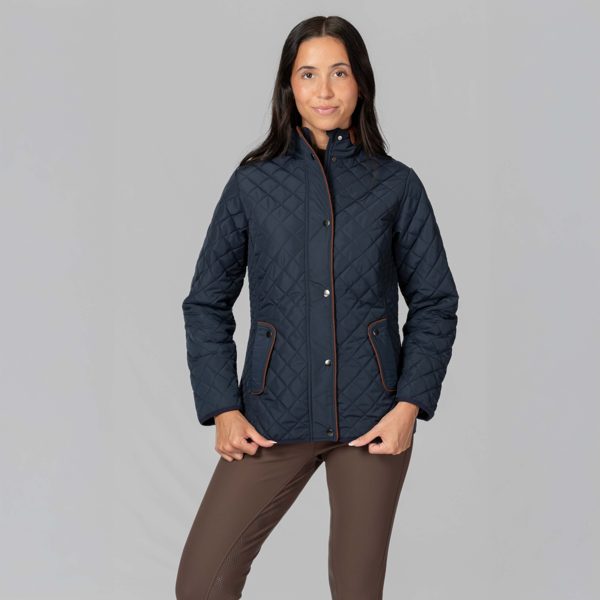
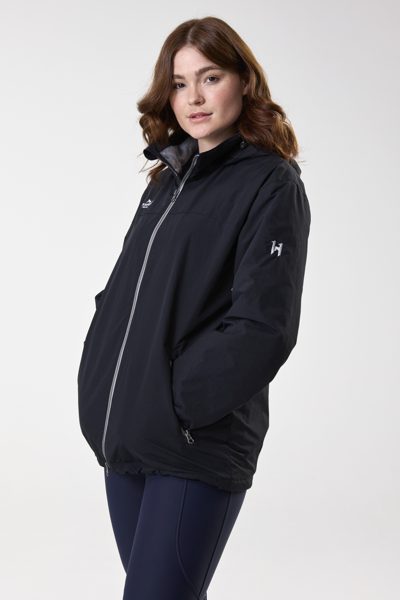
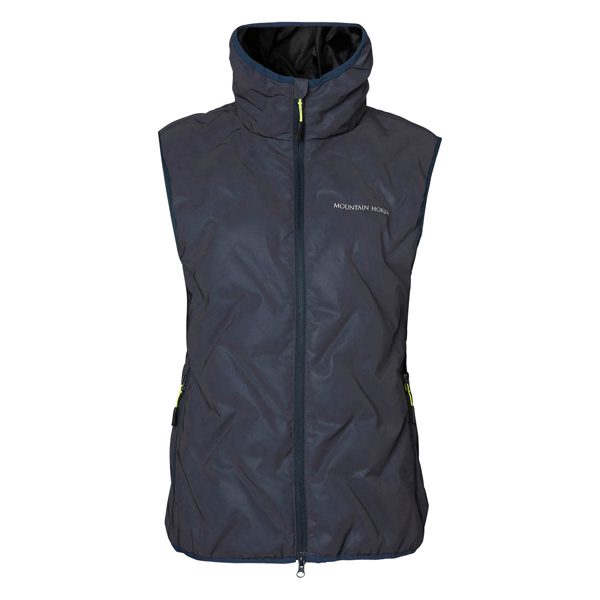
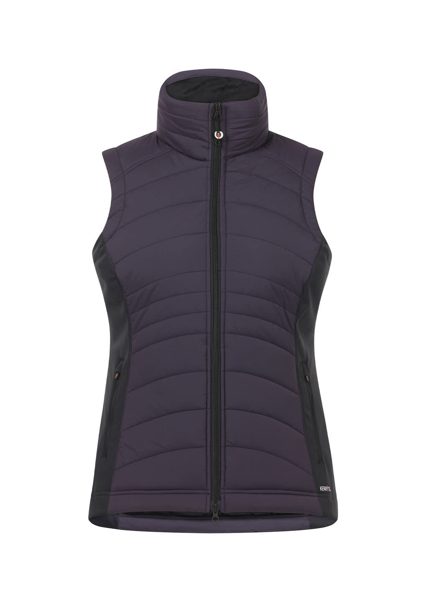
Many insulated riding jackets and vests list their fill in grams. More grams means more insulation and more warmth. Makers measure fill differently, so the numbers compare best between coats from the same brand. Use them as a guide, then think about how much you move.
| Fill weight | Best for | Example at Tack of the Day |
|---|---|---|
| Around 75–100g | Cool days, active chores, layering under a shell | Shires Aubrion React Insulated Gilet (75g) · Equinavia Cecilia Quilted Barn Jacket (100g) |
| Around 140–180g | Everyday winter riding and barn work | Kerrits Counterbalance Quilted Vest (180g) |
| Around 220–250g | Cold mornings, standing ringside, long days outside | Kerrits Warm Embrace Longline Puffer Coat (220g) · Horseware Signature Corrib Jacket (250g/m²) |
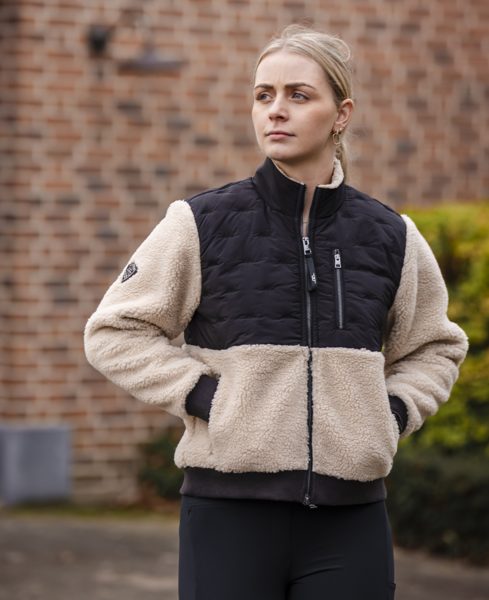
Puffers and padded coats trap warm air in quilted chambers; the thicker the chambers, the warmer the coat. Fleece is a warm, breathable layer on its own and works well under a shell. A fleece-lined jacket gives you both in one piece.
Three thin layers beat one heavy coat when you're riding: a base layer, a vest or fleece, and a shell on top. You can take a layer off after you warm up without getting cold again later.
On an equestrian waterproof jacket or coat, the rating in millimeters (mm) tells you how much water pressure the fabric holds back before it leaks. For wet snow and steady rain, the higher the better. Water-resistant or water-repellent means the fabric sheds light showers but isn't sealed against a soaking.
| Rating | What it handles | Example at Tack of the Day |
|---|---|---|
| Up to 5,000mm | Light showers, dry snow, short spells outside | Horze Dina Puffy Padded Jacket (3,000mm fabric) · LeMieux Brooke 3-in-1 Waterproof Hybrid Jacket (5,000mm, fully taped seams) |
| 6,000–10,000mm | Light to average rain and snow, everyday use | Shires Aubrion Equestrian Winter Coat · LeMieux Team Jacket (10,000mm, fully taped seams) |
| 11,000–15,000mm | Moderate rain, wet snow, longer days outside | LeMieux Stormwear Performance Riding Coat (15k-rated shell fabric) |
Rating bands from Snow+Rock's waterproof ratings guide, which calls them general guidance, not hard limits. Product ratings are the maker's own.
Water gets in where the fabric is stitched. Taped or sealed seams close those holes. A jacket with a waterproof fabric but no taped seams, like the Horze Dina, is made for snow and light drizzle, not a downpour.
If you work hard in the saddle, look for a breathability rating as well (brands list it in g/m² or "mvp"). A breathable coat lets sweat escape so you don't get chilled after the ride.
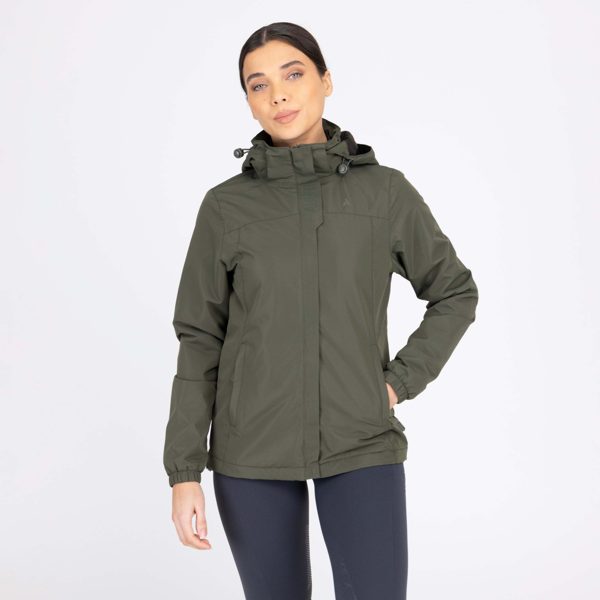
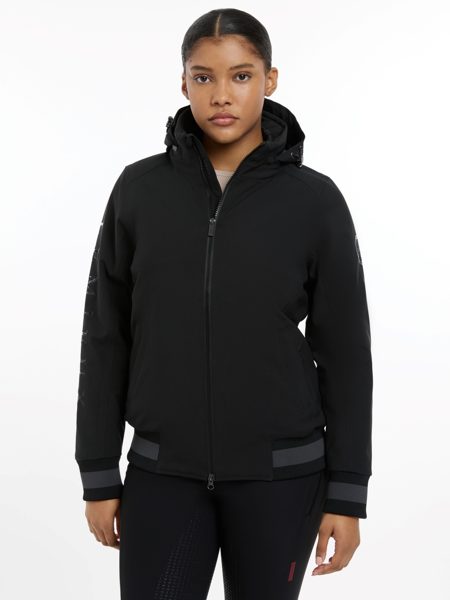
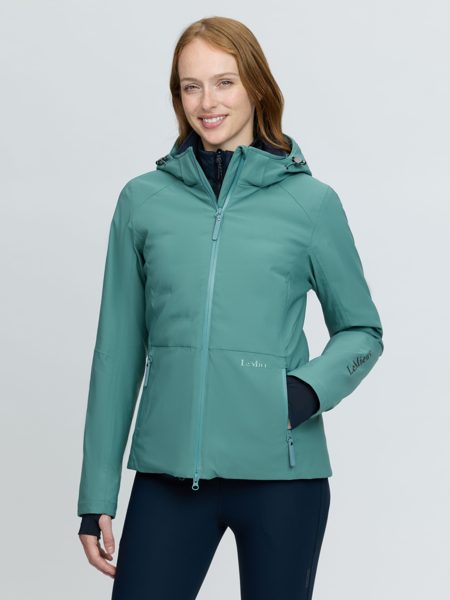
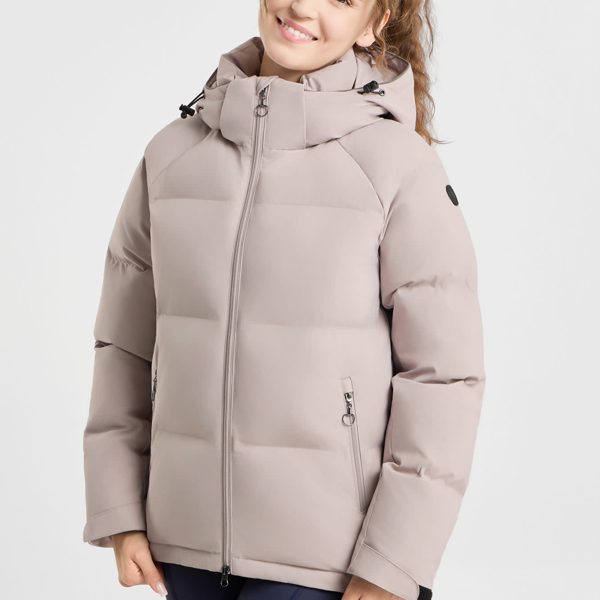
Riding in the rain more than the snow? See our rain gear guide for shells, raincoats and ponchos.
Heated riding apparel runs off a USB power bank tucked into an inside pocket, so you can switch on extra warmth when you need it. The two jackets below are padded too, so they still keep you warm with the heat off. Check each product page for its power bank: on the B Vertigo and Horze styles it's sold separately.
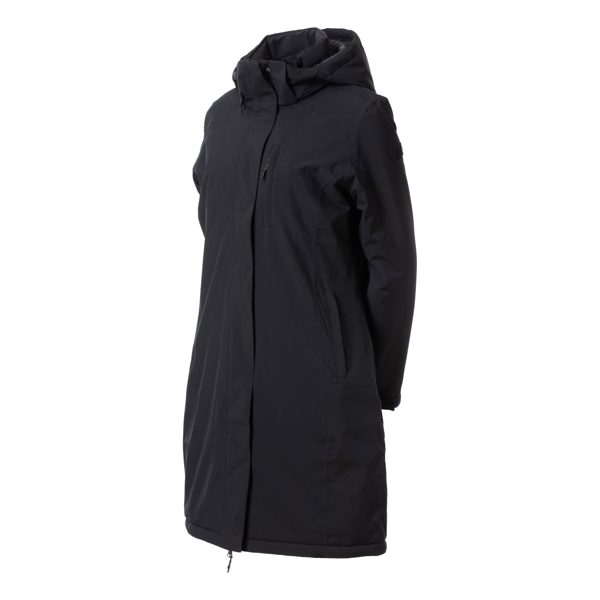
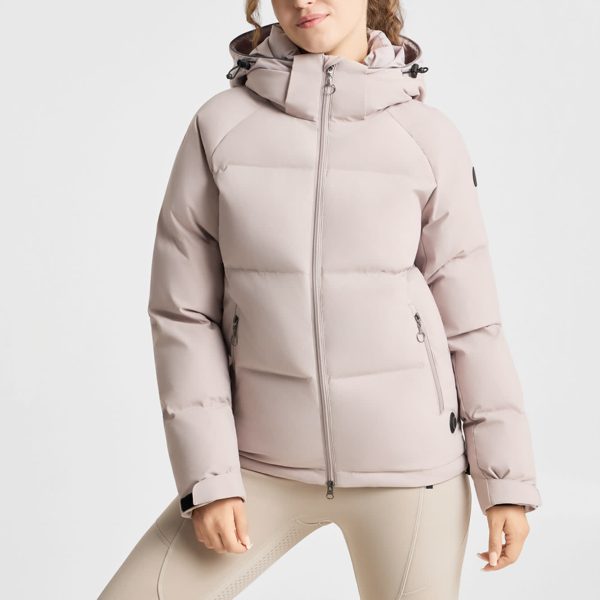
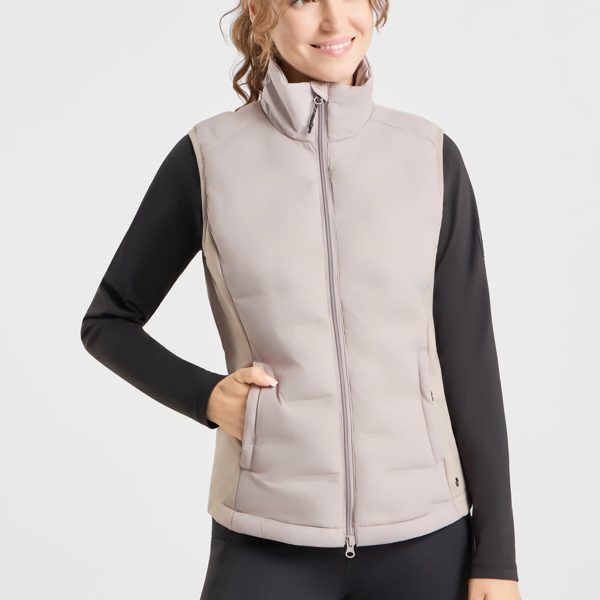
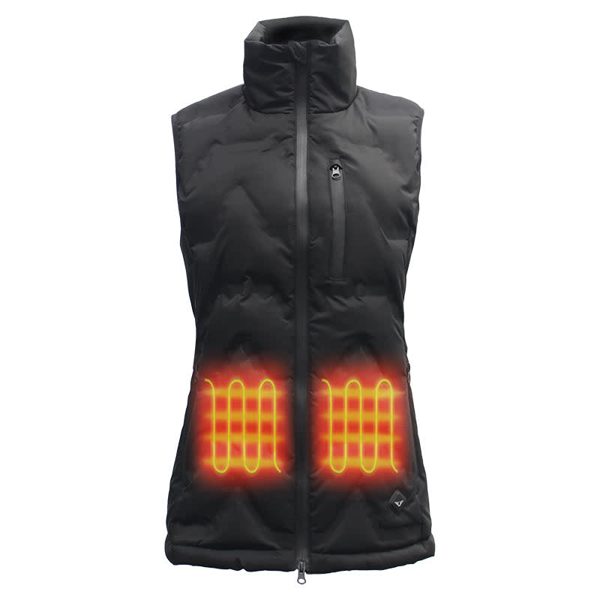
An everyday winter coat bunches up, rides up and flaps in the wind. A riding coat is cut for the saddle. These are the features that make the difference.
A back vent, pleat or gusset opens over the saddle so a long coat drapes instead of bunching.
Unzip from the bottom when you're mounted and keep the top closed against the wind.
Inner leg straps or loops keep a long coat from flapping and spooking a sensitive horse.
Some hoods are sized or adjustable to fit over a riding helmet. Others come off, so they can't catch the wind.
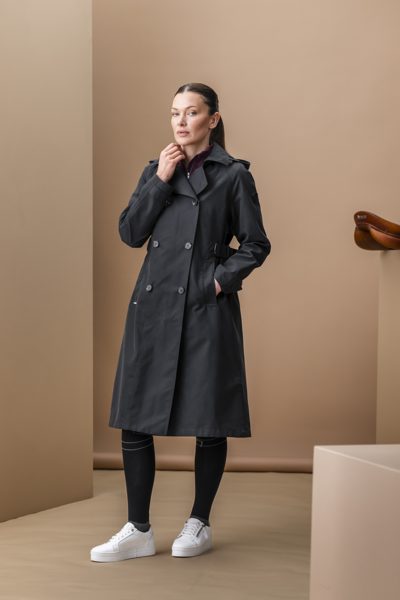
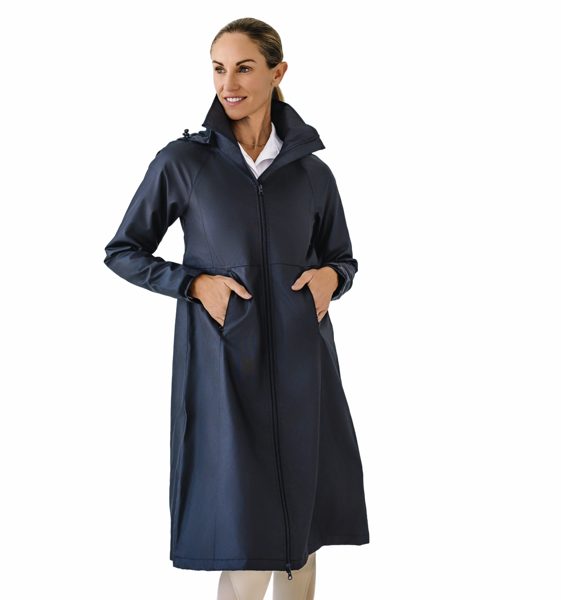
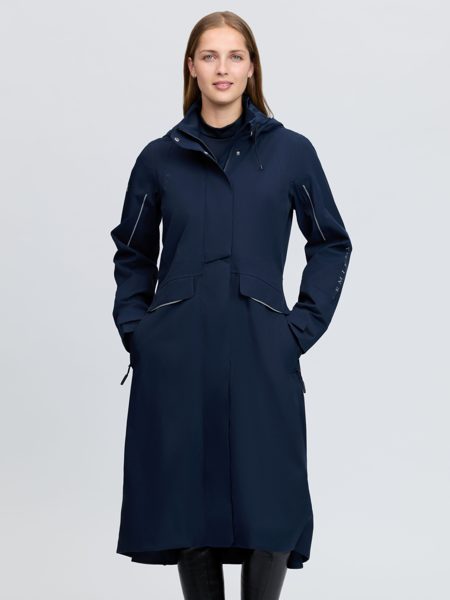
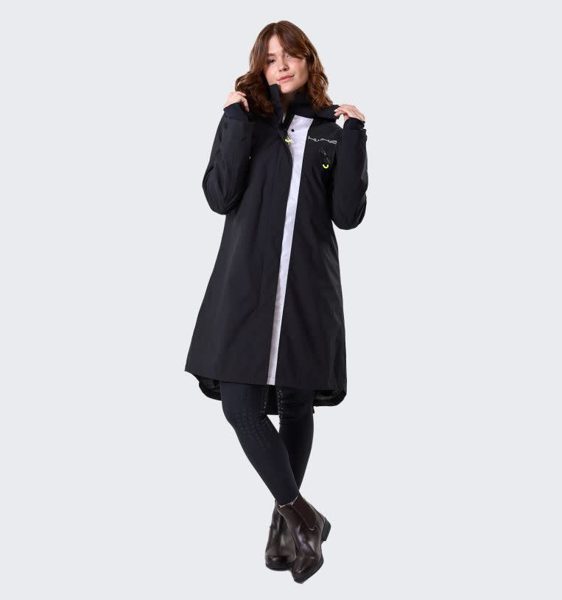
From a men's quilted barn jacket for everyday chores to a waterproof team jacket for wet winter lessons, here are warm men's picks from brands riders trust.
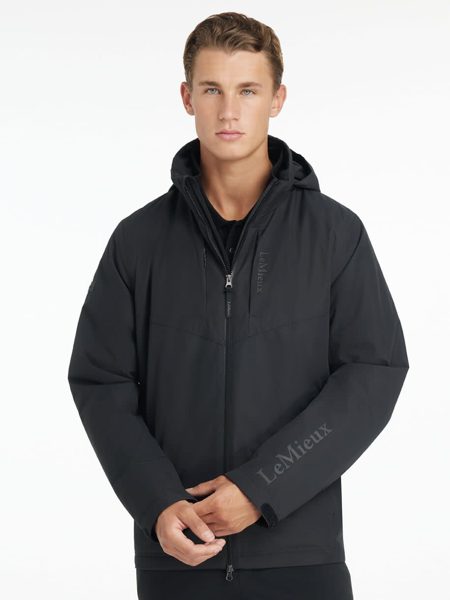
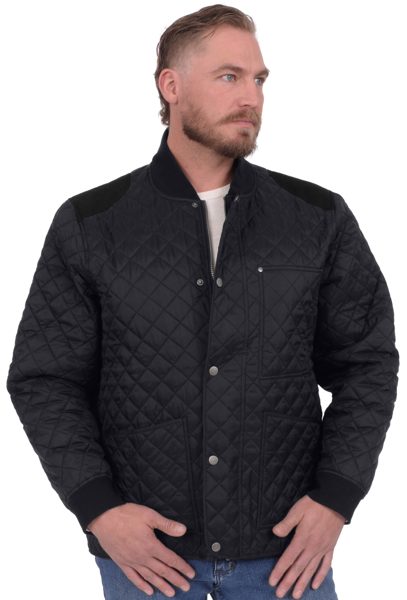
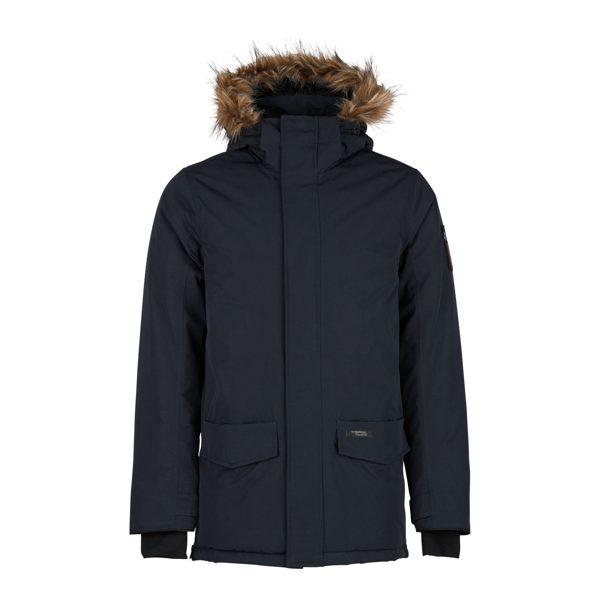
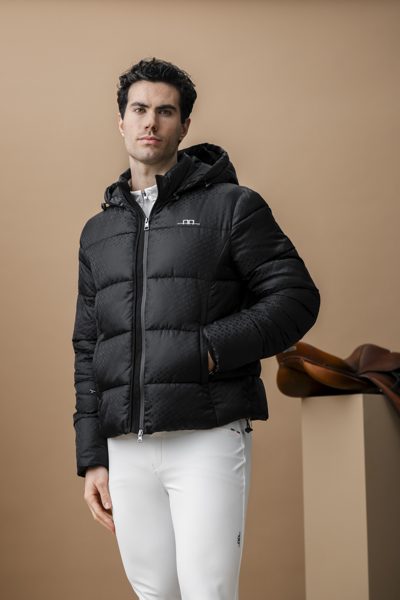
Young riders get cold fast and outgrow coats faster. Look for the same riding features as adult coats, like a two-way zip and a rear vent, in sizes cut for kids.
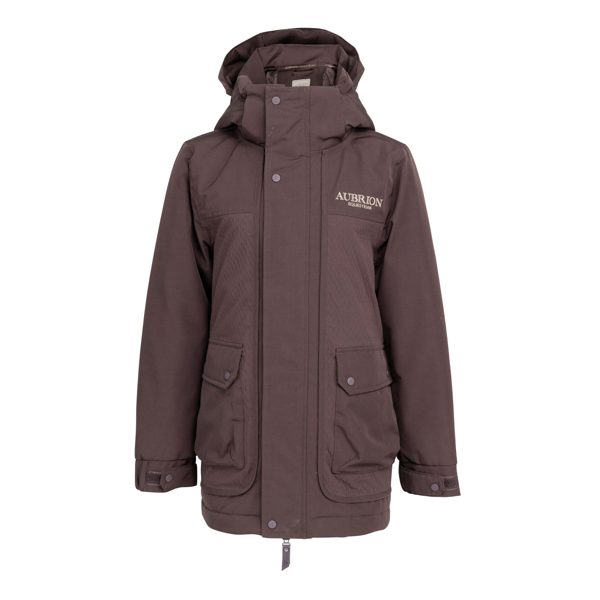
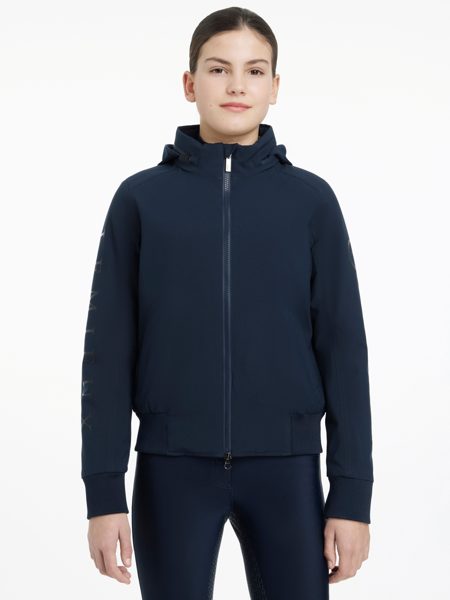
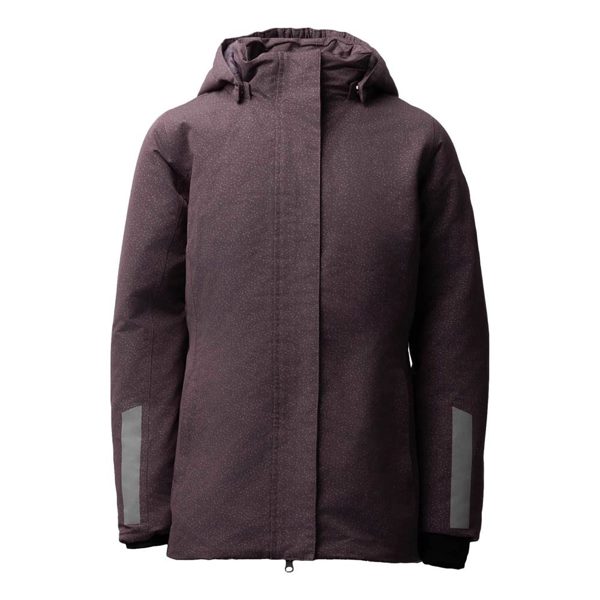
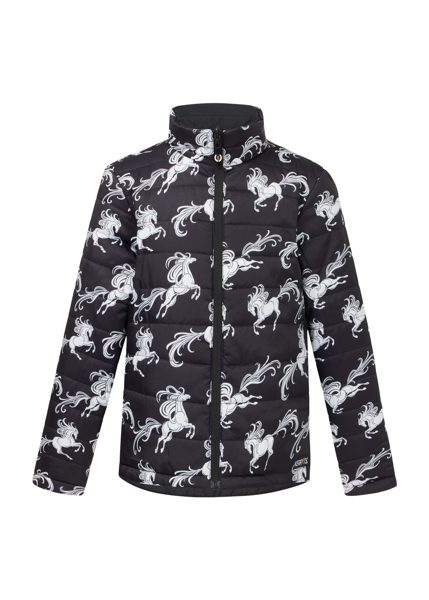
Premium equestrian outerwear from the brands riders know, all at Tack of the Day for less.
For standing still in the cold, a long insulated coat or parka with heavy fill is warmest, such as the Kerrits Warm Embrace Longline Puffer Coat with 220 grams of fill. For riding, a heated jacket or a warm vest under a waterproof shell gives you warmth you can adjust.
It's the water pressure the fabric holds back before it leaks. A 10,000mm coat handles light to average rain and snow for everyday use. For wet snow and longer days in the weather, look for 11,000mm or more, with taped seams.
Buy a long coat if you spend a lot of time standing ringside or in the cold, and a jacket if you're mostly active. If you ride in a long coat, choose one with a rear vent or gusset and leg straps so it sits over the saddle.
Only if the hood is made for it. Some riding coats, like the LeMieux Stormwear Performance Riding Coat and the Alessandro Albanese Isabella Riding Trench Coat, have hoods designed or adjustable to fit over a helmet. Never ride with a loose hood that could slip over your eyes.
They have heating panels powered by a USB power bank that sits in an inside pocket. Many let you choose a heat setting. Check the product page to see whether the power bank is included.
Leave room for a base layer and a fleece or vest underneath, but not so much that the coat bunches in the saddle. Check the brand's size chart, and look for adjustable cuffs, waists and hems for a closer fit.