

Know the Rules Before You Buy
Unlike trail riding or casual schooling, showing comes with a dress code — and not following it means ribbons you don't get to keep, or a steward conversation you'd rather avoid. The good news: once you understand the logic behind each discipline's attire, it all makes sense. This guide breaks it down by discipline, by rider type, and by what you actually need versus what's nice to have.
One important note: rules vary by show association (USEF, USEA, AERC) and by level. Always check the rulebook for your specific class and association before show day. This guide reflects general standards — when in doubt, ask your trainer or the show secretary.
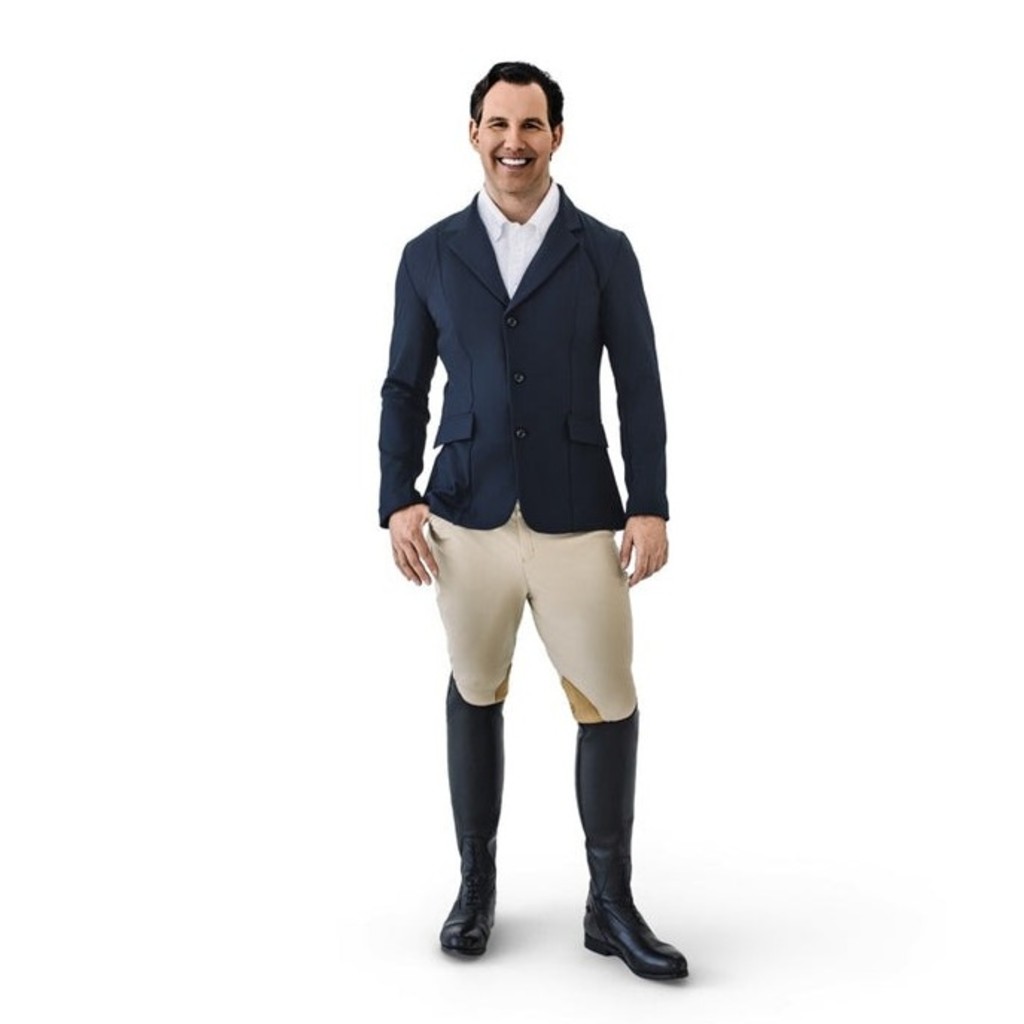
Hunter and jumper classes share similar traditional attire, with hunters leaning more conservative and equitation classes following USEF's detailed specifications. The look is formal, polished, and understated — nothing that distracts from horse and rider.
-
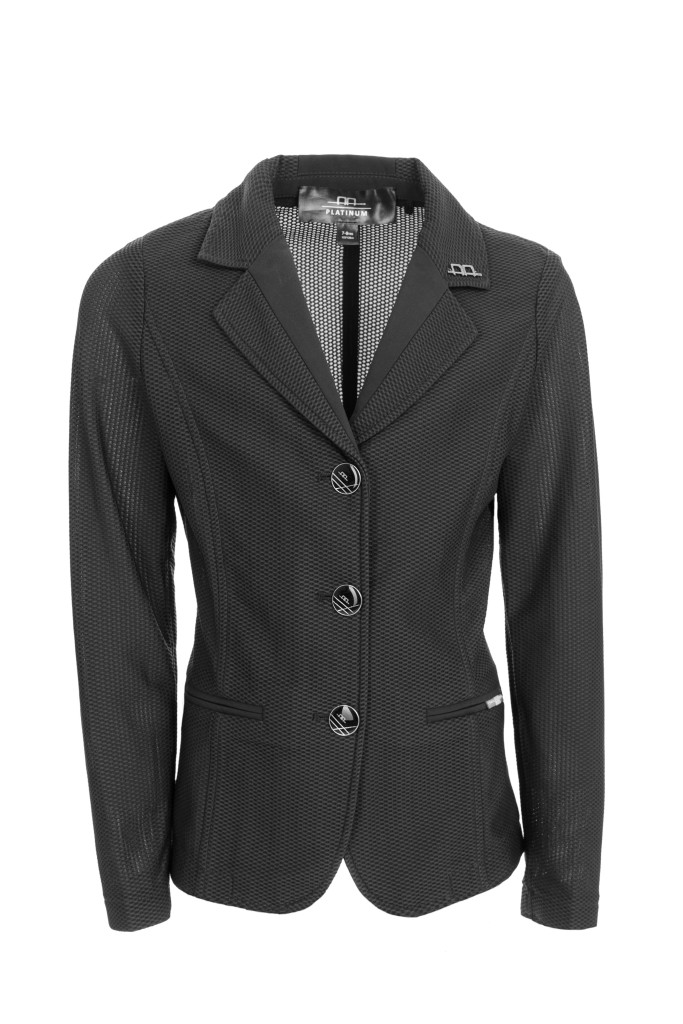
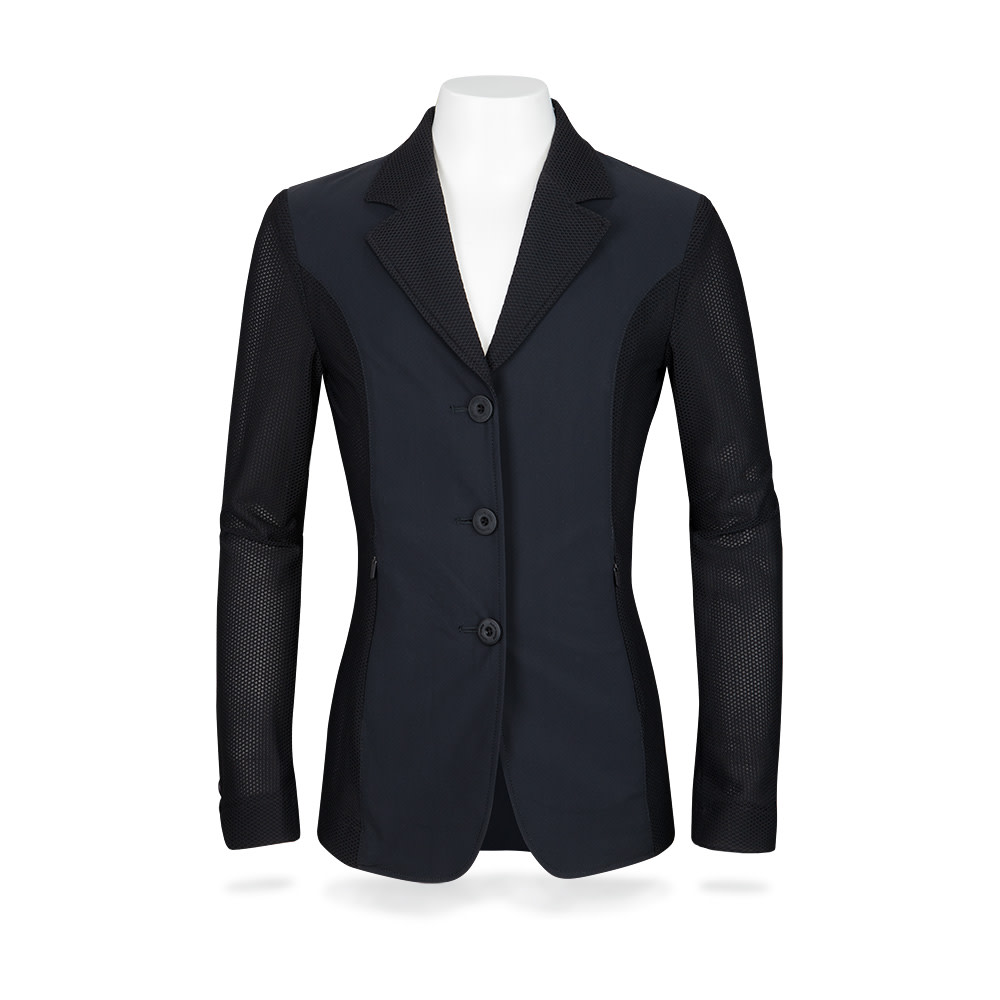
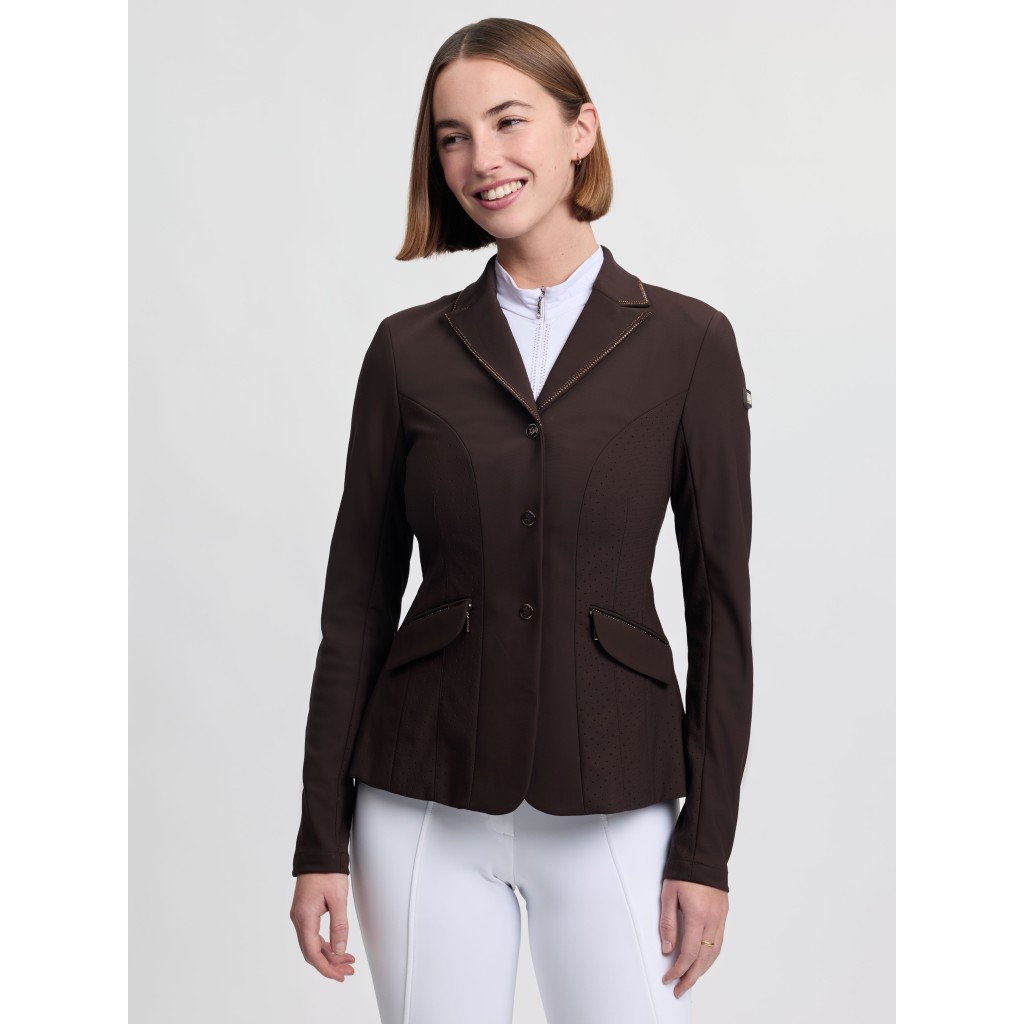
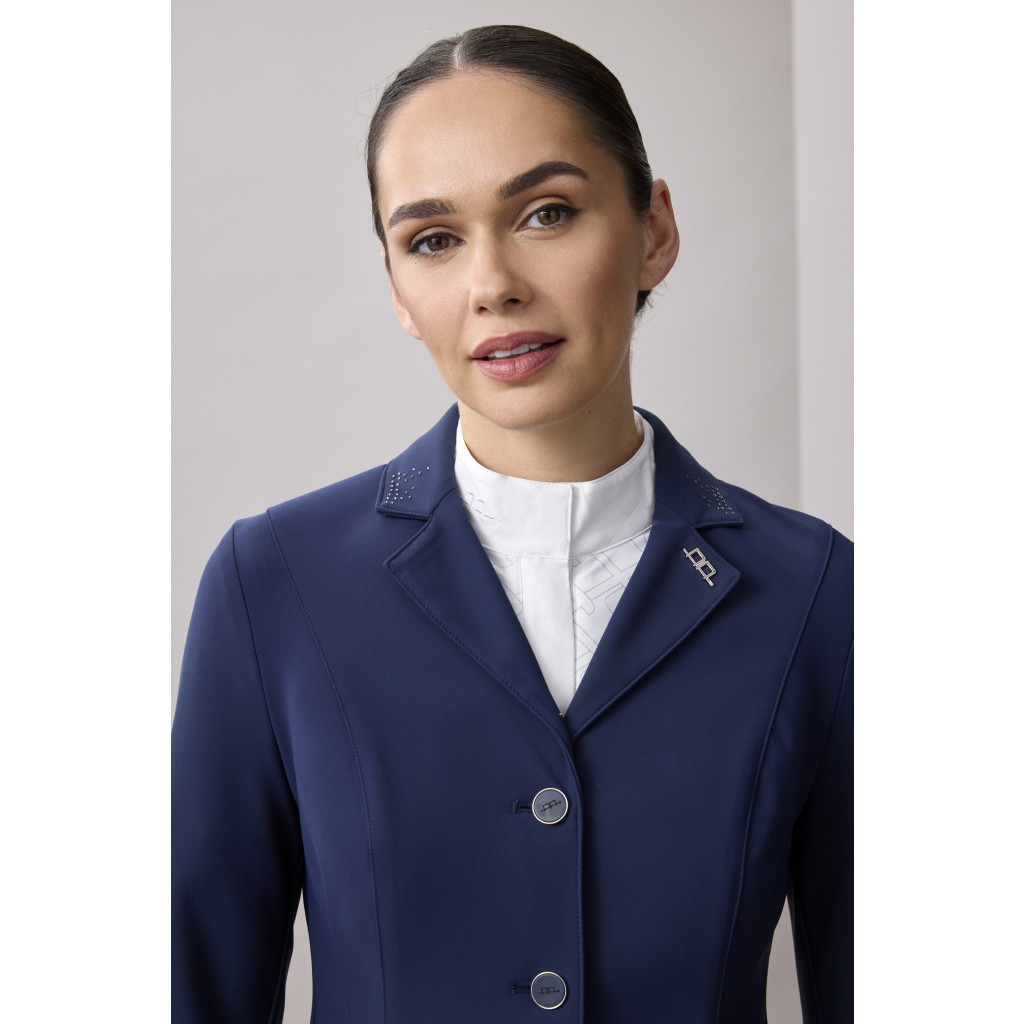
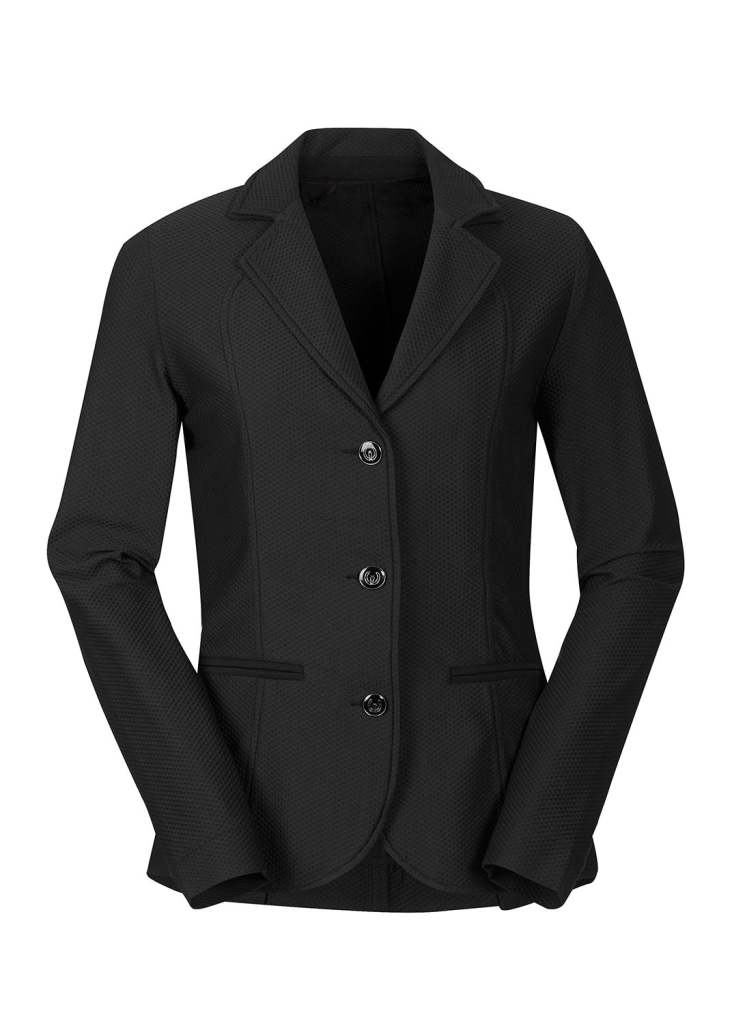
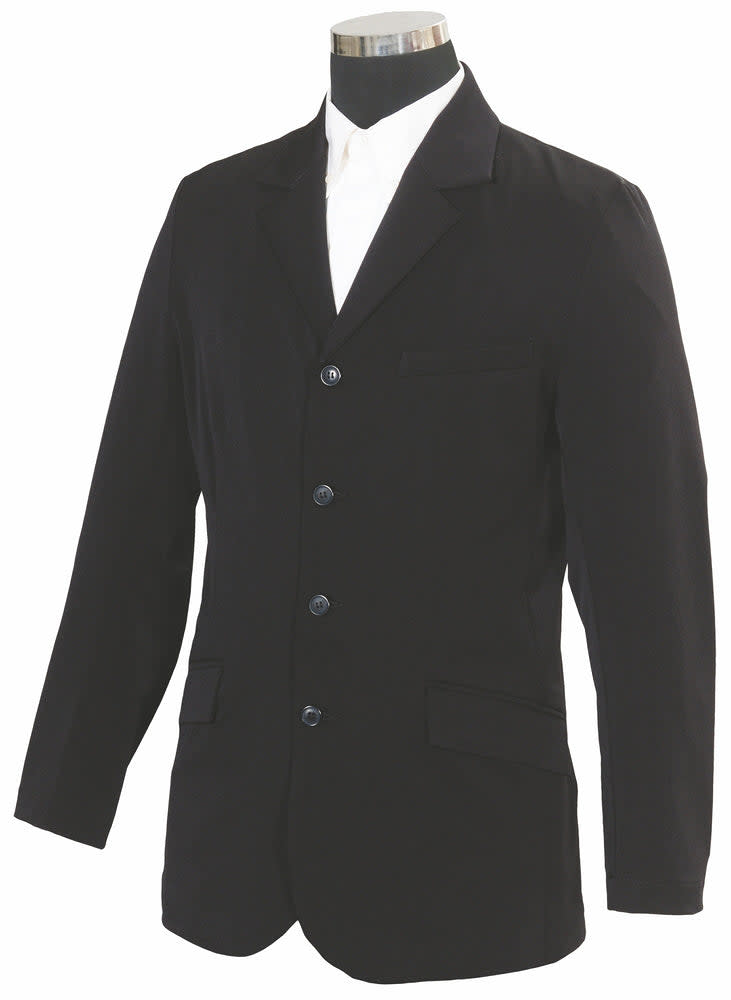
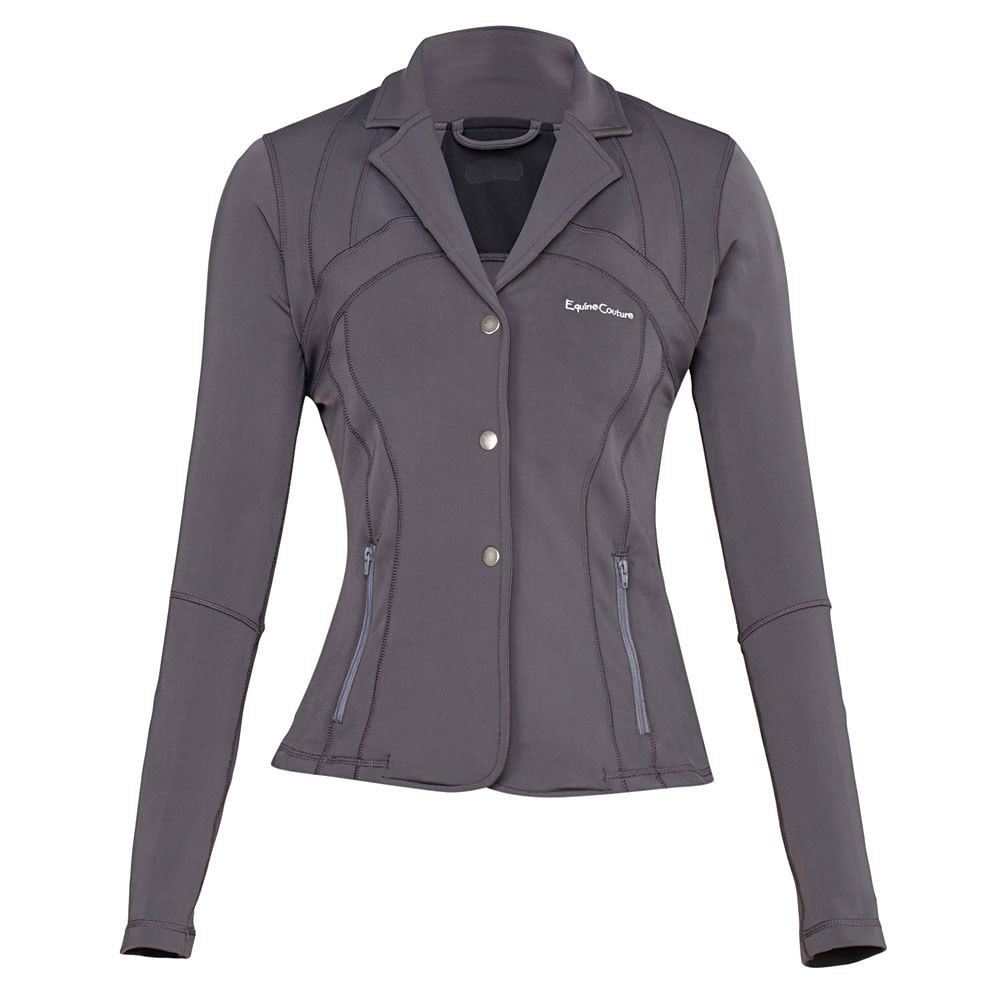
Show Coat / Hunt Coat Navy, black, hunter green, dark grey, or pinstripe. Subtle patterns are acceptable at most levels; avoid anything flashy. The coat should be well-fitted — not baggy, not pulling across the shoulders. Mesh-back and vented styles are increasingly popular for warm-weather shows. Junior riders and adults have the same requirements. Shop Show Jackets
-
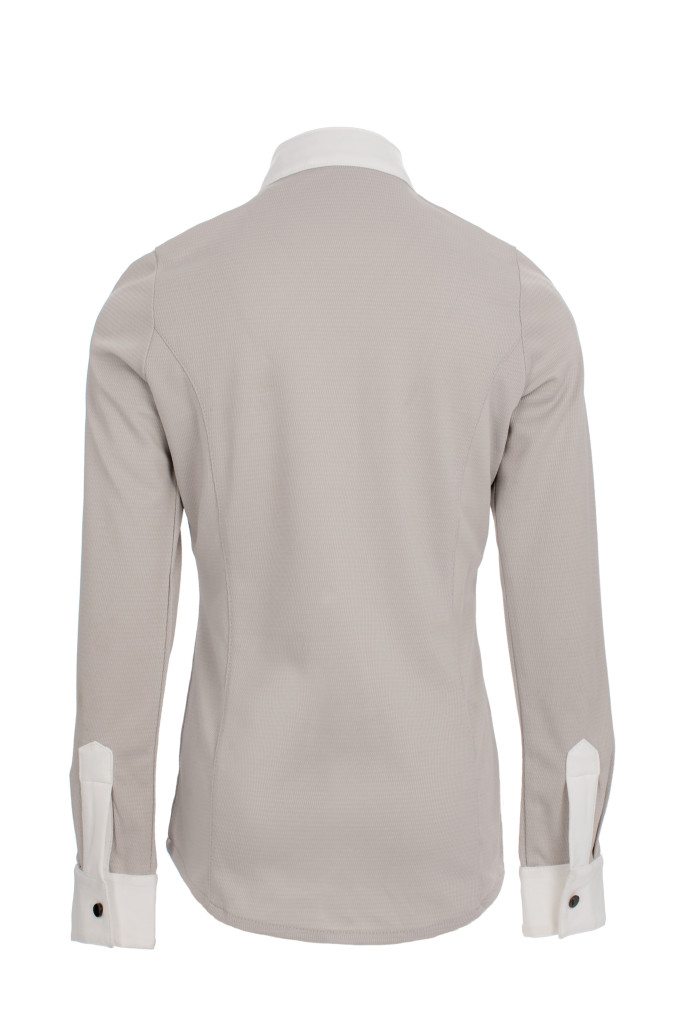
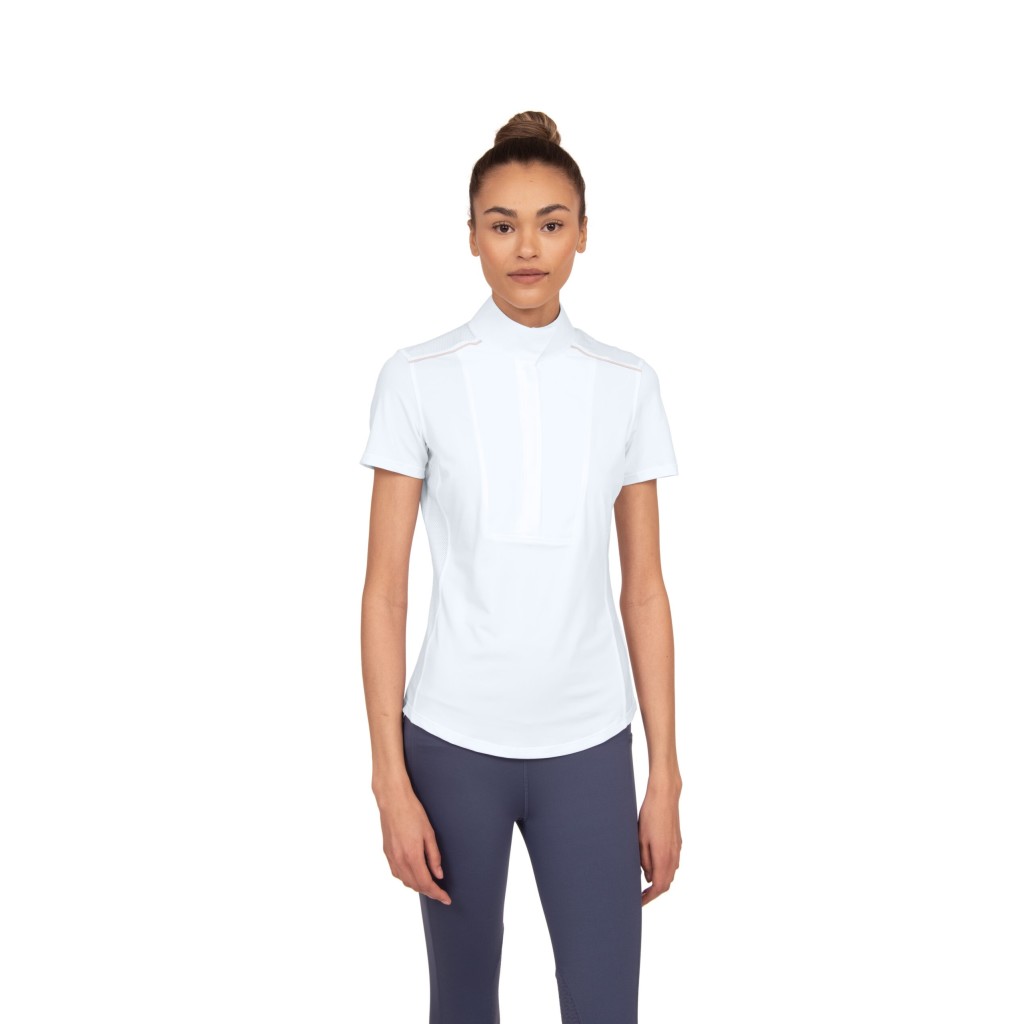
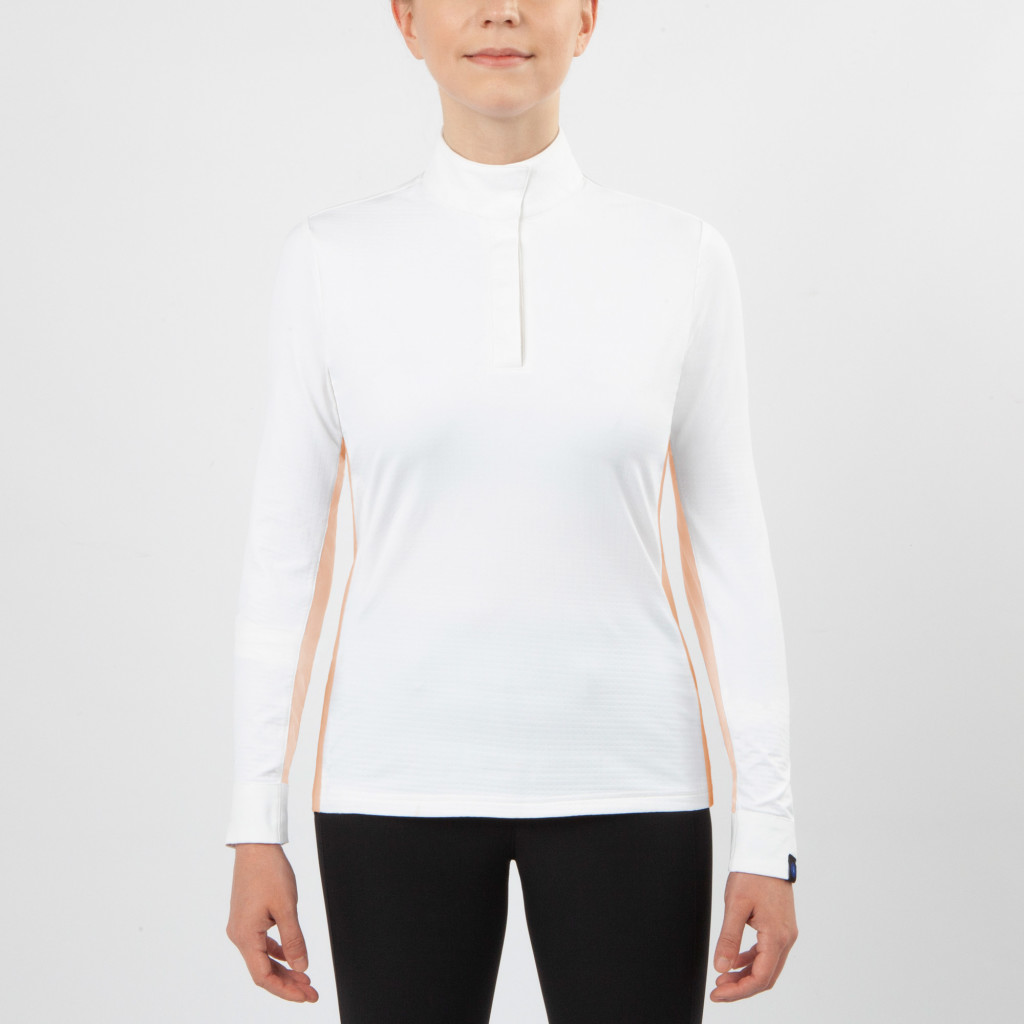
Show Shirt Collared, usually white, cream, or pale pinstripe. Long sleeve is most traditional; some classes allow short sleeve depending on the show level. Must have a collar — plain crew-neck shirts are not acceptable. A choker collar or pin-collar shirt is appropriate; stock ties are more dressage than hunter, though some equitation classes allow them. Shop Show Shirts
-
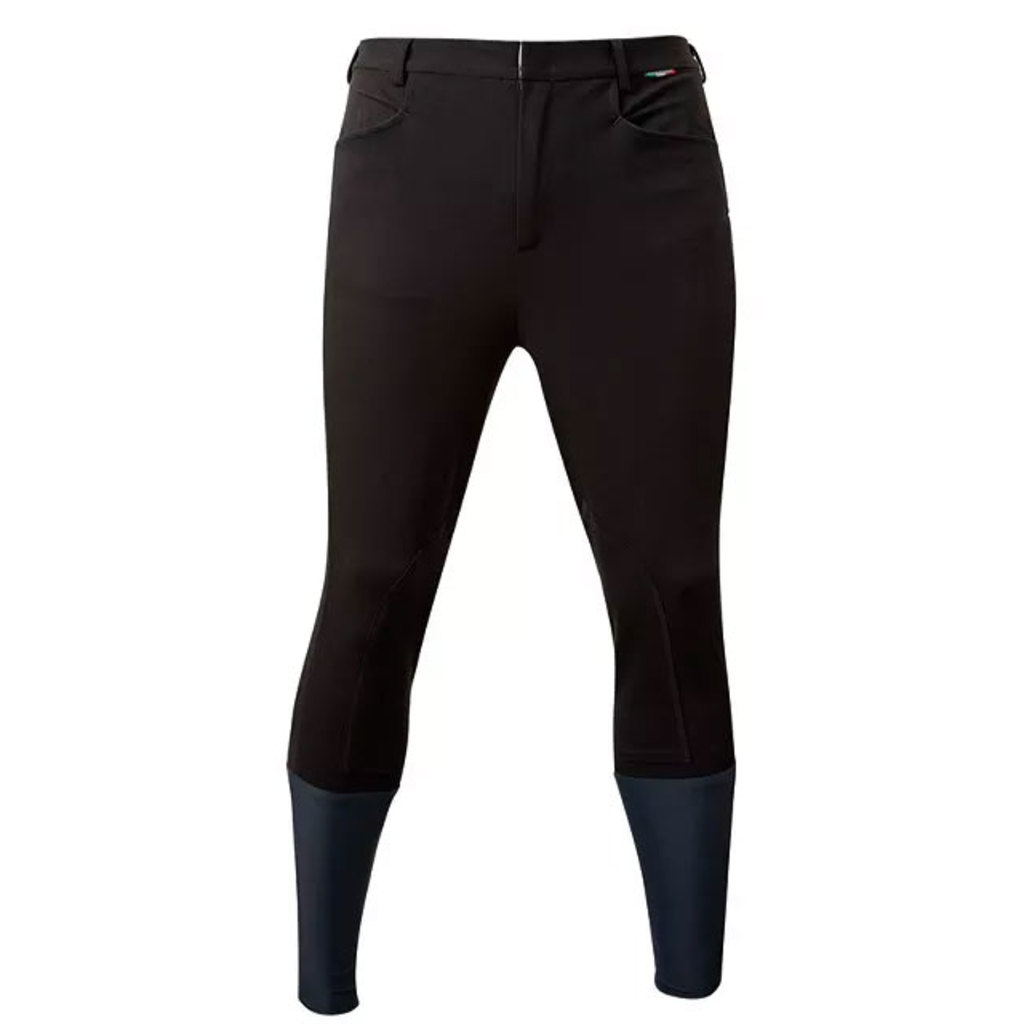
Breeches Light tan, beige, canary yellow (equitation tradition), or white. Full-seat and knee-patch both work; check your class requirements. Dark breeches are for schooling only — avoid them in the show ring. Fit should be close but comfortable, and they should have belt loops (belts are expected at most shows). Shop Breeches
-
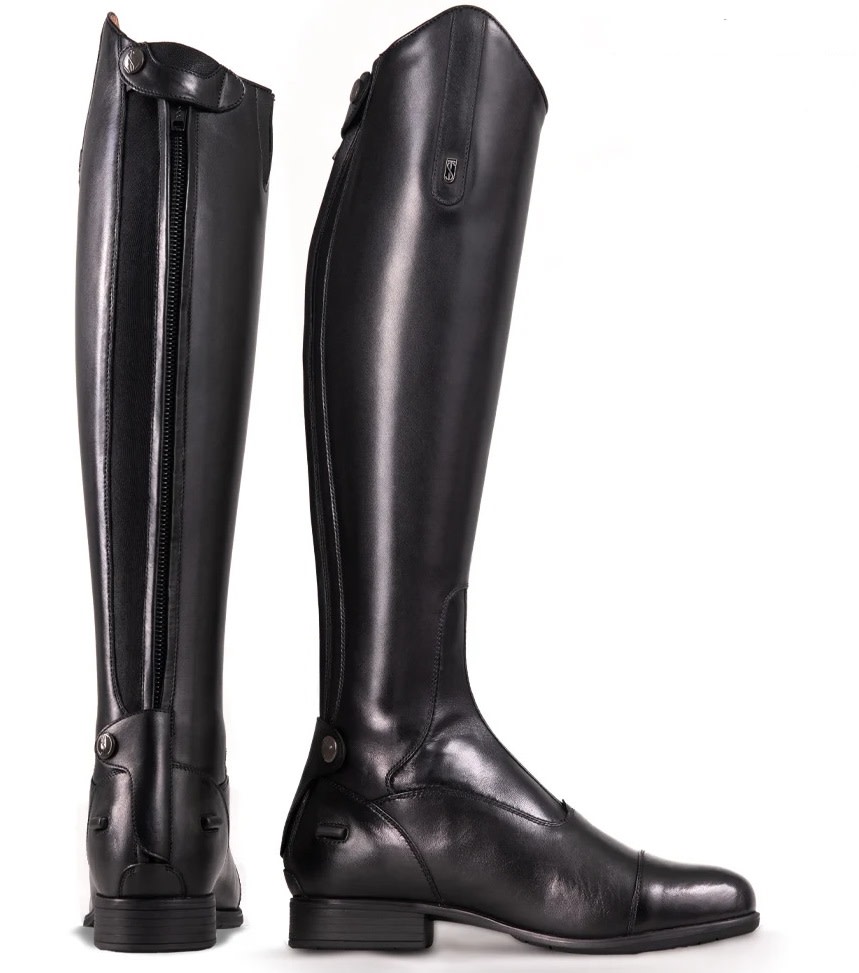
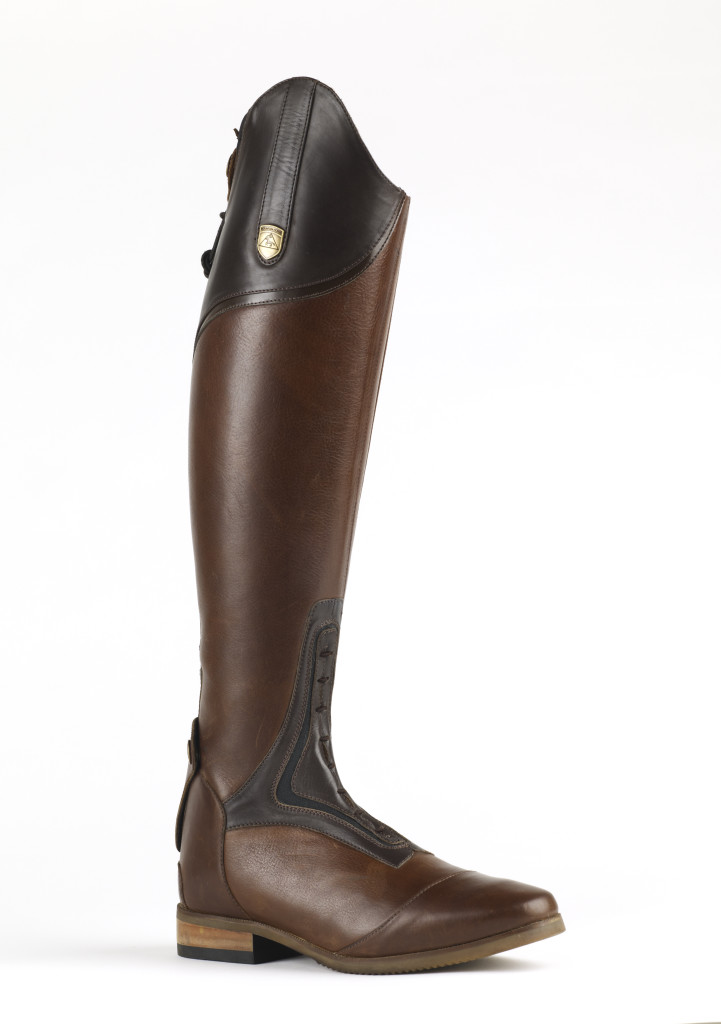
Tall Boots Tall field boots (laced at the ankle) are the traditional hunter choice; dress boots (no lacing) are also acceptable and more common at higher levels. Black is standard. At lower-level schooling shows and pony classes, paddock boots with half chaps are often permitted — check your division's rules. Kids who are still growing often start with paddock boot + gaiters before investing in tall boots. Shop Tall Boots
-
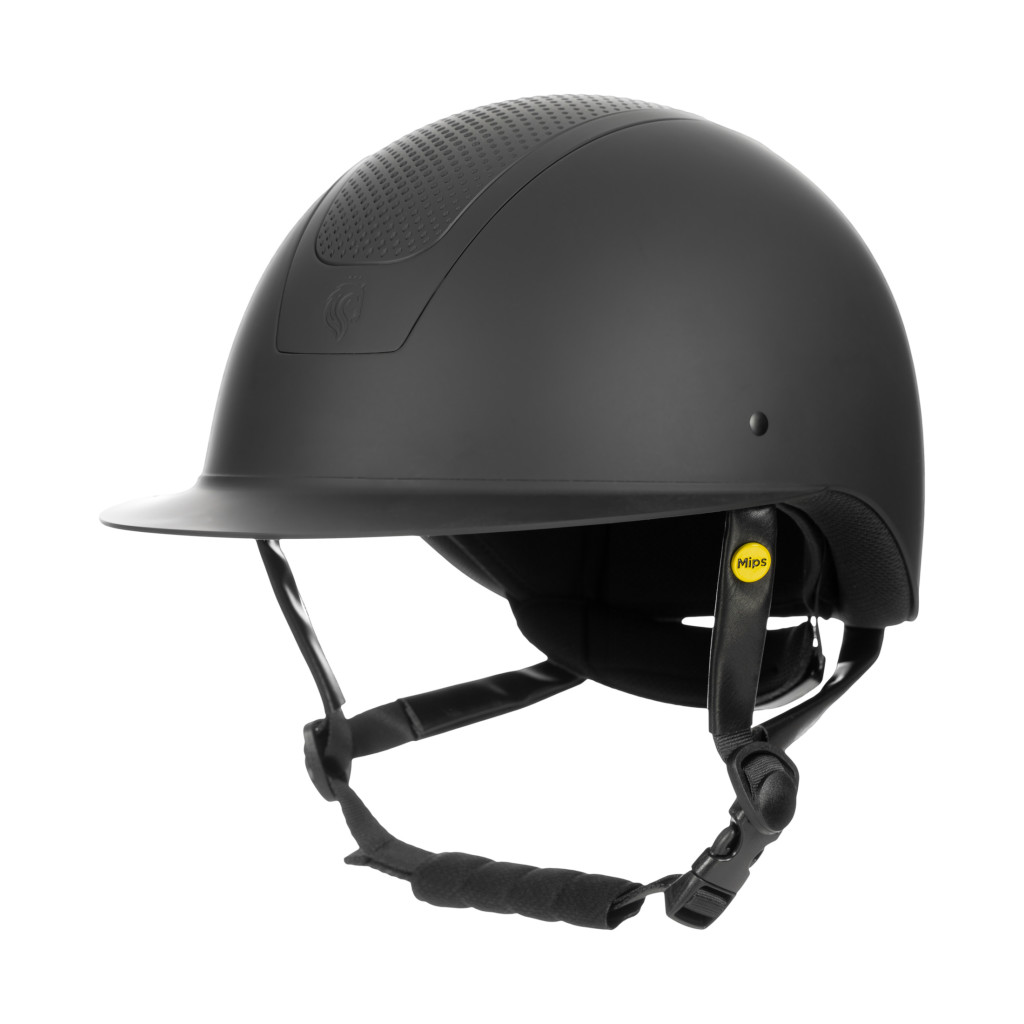
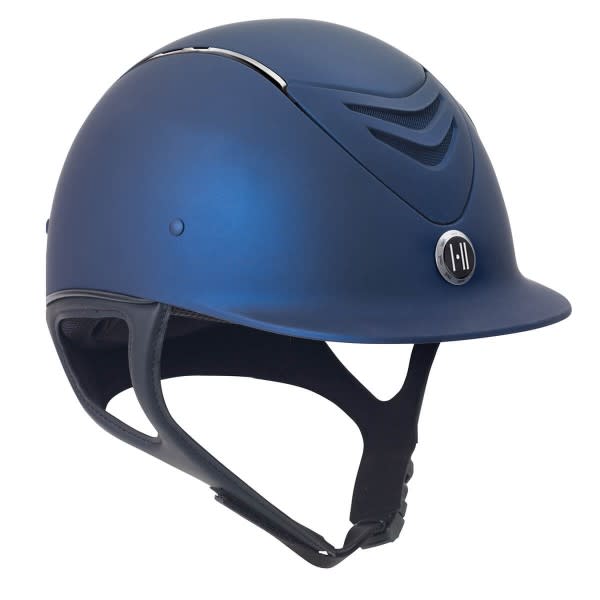
Helmet A safety-certified helmet is required at all USEF-rated shows — check that yours meets current ASTM/SEI standards. Traditional hunt caps are popular; many riders now prefer low-profile certified helmets. Black or dark is standard. Some shows allow navy or dark grey. No bright colors in the hunter ring. Kids: make sure the fit is right and the certification is current — helmets past their expiration date or involved in a fall should be replaced. Shop Helmets
-
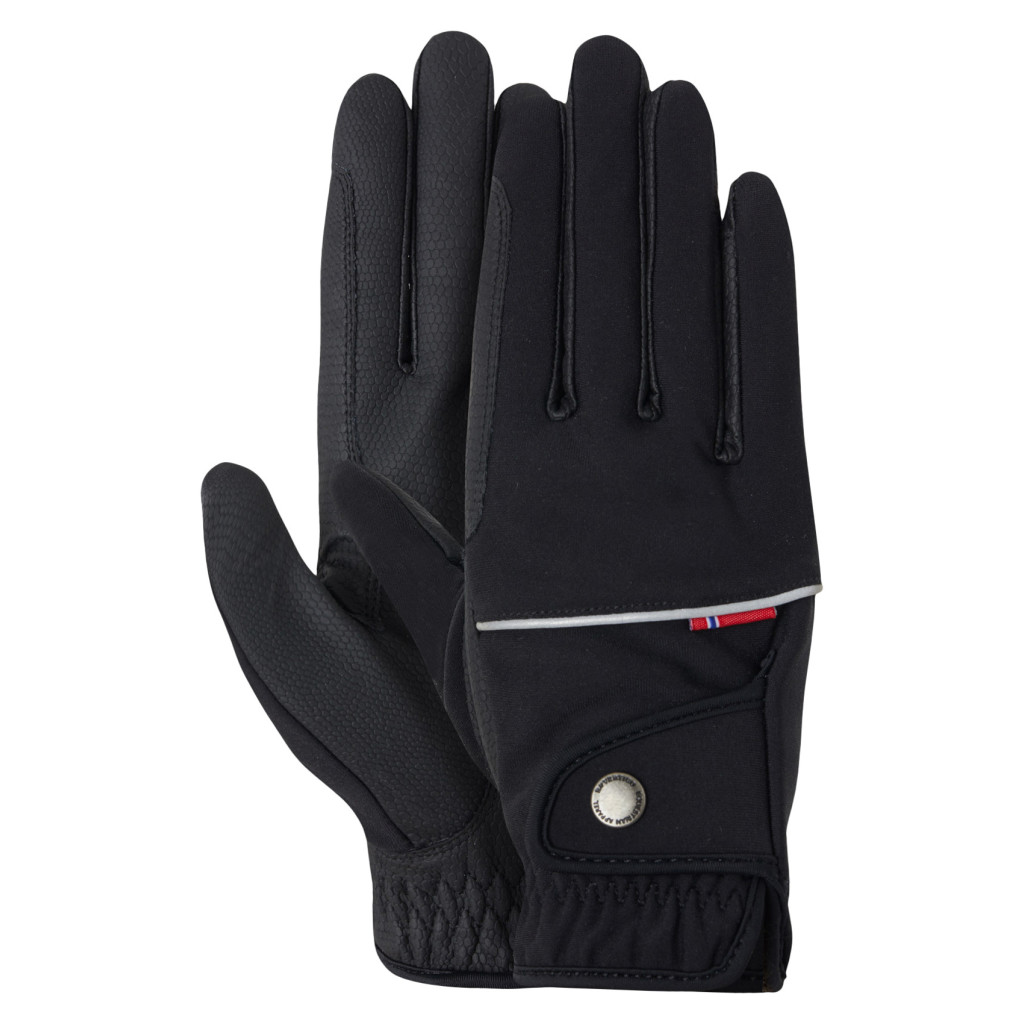
Gloves Tan, white, or neutral colors. Required at many shows, strongly recommended at all. Leather or synthetic leather with grip palms. Avoid bright-colored or sporty gym-style gloves in the show ring. Shop Gloves
Dressage has the most specific dress code of any English discipline, and it escalates as you move up the levels. At Training and First Level, the look is relatively simple. By the FEI levels, it's shadbellies and top hats. Know your level before you shop.
-
Show Coat Training through 3rd Level: Plain black or dark navy coat with standard collar. A shadbelly may be worn but is not required. 4th Level and FEI: Shadbelly coat (cutaway tails) is required — black or dark navy. Subtle embellishments are permitted at FEI on the front of the coat. Note: some associations allow a black coat through 4th Level at the judge's discretion — always confirm. Shop Show Jackets
-
Show Shirt & Stock Tie White shirt with a stock tie is the dressage standard — the stock tie wraps around and pins at the front with a gold stock pin. White choker collar shirts are also appropriate at lower levels. The whole look should be white at the collar. Stock ties can be a little fiddly to tie correctly — practice before show day, or consider a pre-tied variety. Shop Show Shirts
-
Breeches White breeches are required at most USEF dressage competitions — this is the one rule that trips up beginners. Some schooling shows and lower-level class series allow off-white or light tan; check the specific show rules. Full-seat breeches are the norm in dressage; they grip the saddle and look polished in the ring. Avoid stirrup loops or thick seams that could create pressure under the long dressage saddle flap. Shop Breeches
-
Tall Boots Black tall boots — either dress boots or dressage-specific boots. Dressage boots often have a straighter cut and more structure at the top for a cleaner line in the leg. At FEI levels, boots with patent leather toe caps or specific styling are common. All blacks should match — boot, belt, and coat all coordinated. Kids in dressage classes may use paddock boots and half chaps at many schooling shows. Shop Tall Boots
-
Helmet or Top Hat Training through 3rd Level: Black ASTM/SEI certified helmet. A velvet hunt cap is a popular choice. 4th Level and FEI: Top hat is traditional and required at some competitions (note: top hats are not safety-certified, so USEF allows a safety helmet as an alternative at any level). At FEI Grand Prix, many countries and competitions still expect the top hat — check the specific show rules. Most recreational dressage riders use a certified helmet at all levels. Shop Helmets
-
Gloves White gloves are required at many dressage competitions and expected at all. This is another detail that catches new competitors off guard. White or light tan. Some shows specify white — don't wear tan if white is required. Shop Gloves
Eventing is three sports in one, and you dress for all three — which is why eventers travel with more clothes than almost anyone else at the showgrounds. Each phase has its own specific requirements. Here's what you need for each.
The dressage phase of eventing follows the same attire rules as open dressage competition: dark coat, white breeches, stock tie, tall boots. At lower eventing levels (Beginner Novice through Novice), a plain dark coat is fine. At upper levels (Preliminary and above), check USEA rules — some levels follow USEF dressage guidelines for the coat style.
Gloves are expected. Helmets must be safety-certified. Many eventers use the same dressage outfit for both their dressage phase and post-XC stadium phase, with only the XC gear in between.
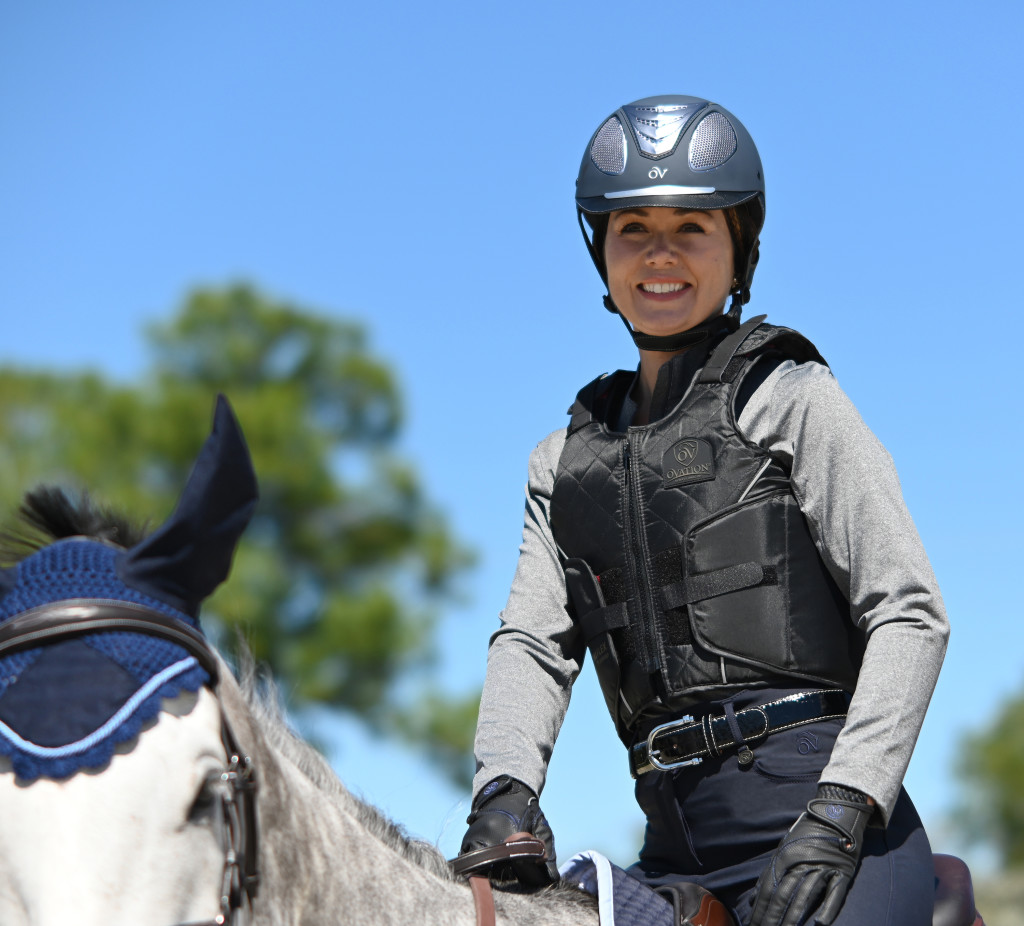
Body protector / safety vest: An ASTM or BETA-certified body protector is mandatory for all USEA-affiliated events. It must be current certification standard (check the label) and it must fit — a vest that's too loose provides minimal protection. This is not optional attire; you will not be permitted on course without it.
Helmet: Must have a chinstrap and meet ASTM F1163 or equivalent current standard. A skull cap with removable velvet cover is popular — the cover comes off for XC to show the hard shell beneath. The chinstrap must be fastened and not removable/breakaway.
XC top / colors: This is where eventing gets fun. Colors, patterns, and matching horse-and-rider sets are the tradition of cross-country. Lycra-style stretch XC tops are standard; many riders coordinate with their horse's jumping boots or saddle pad. No rules on color or pattern — express yourself.
Boots: Tall boots or sturdy ankle boots with half chaps. For XC at upper levels, many riders switch to more secure, sport-focused footwear.
Air vest: USEA now strongly recommends air jackets (inflatable body protectors worn over the regular vest). These are not yet required universally but are increasingly the standard. An air vest worn over a certified body protector is the gold standard for upper-level safety.
For stadium jumping, eventers return to a formal hunter/jumper look: hunt coat, show shirt, light-colored breeches, tall boots, helmet, and gloves. At lower levels, many shows allow XC colors for stadium as well — check the specific prize list. At upper levels and championships, formal attire is always required.
The practical reality: most eventers pack a dressage outfit and a hunt coat, then wear XC colors for cross-country. Breeches and boots often stay the same across all three phases; it's the top half that changes.
Endurance has no formal dress code — this is the discipline where function truly dominates form. At 25, 50, or 100 miles, what matters is comfort, moisture management, UV protection, and staying in the tack for hours. That said, safety requirements still apply, and a few practical must-haves make the miles far more manageable.
-
Helmet A certified helmet is required at all AERC-affiliated endurance events. Unlike hunter/jumper showing, color and style don't matter — pick what fits, is safe, and is comfortable for many hours. Ventilation is a significant factor at the distances and temperatures involved in endurance riding. MIPS technology and multiple vents are worth considering for long, hot miles. Shop Helmets
-
Riding Top Moisture-wicking, breathable fabrics are essential. UV-protective tops are a genuine advantage on long summer rides. Avoid heavy cotton — it retains heat and moisture. Technical riding tops, casual riding shirts, and quarter-zips in technical fabrics all work. Bright colors improve visibility on trail. Shop Riding Tops
-
Tights or Breeches Many endurance riders prefer tights over structured breeches for long rides — they're lighter, have fewer seams, and are more comfortable for extended time in the saddle. Full-seat grip is useful on the saddle; thin, flat seams prevent chafing at distance. Avoid anything with bulky knee pads or raised textures that create pressure points over many hours. Shop Breeches & Tights
-
Footwear Tall boots, trail boots, or sturdy ankle boots with half chaps — comfort over appearance. Many endurance riders use a paddock boot and half chap combination rather than tall boots; they're easier on and off at vet checks, and good half chaps provide adequate lower-leg protection. Whatever you choose, it must have a heel to prevent the foot from sliding through the stirrup. Shop Short Boots
-
Gloves Endurance is long hours of rein contact — gloves protect from rein burn and improve grip, especially in wet conditions. Lightweight, breathable, and machine-washable are useful features. Some riders change gloves at vet checks. Shop Gloves
English Show Attire by Discipline
Use this as a quick checklist when packing for a show. Required items are specific to the governing body and level — always confirm against the current rulebook for your class.
| Discipline | Coat | Shirt | Breeches | Boots | Gloves | Other |
|---|---|---|---|---|---|---|
| Hunter | Navy/black/green hunt coat | Collared, pale/white | Tan, beige, canary | Tall boots (black) | Tan or white | Belt, hair net |
| Jumper | Hunt coat (colors more flexible) | Collared shirt | Light breeches | Tall boots | Recommended | More flexible than hunters |
| Dressage | Black/navy (shadbelly at 4th+) | White + stock tie | White (required) | Tall black boots | White (required) | Spurs (check level), stock pin |
| Eventing — Dressage | Dark coat (level-specific) | White + stock tie | White breeches | Tall black boots | White gloves | Certified helmet |
| Eventing — XC | XC top (colors OK) | XC jersey/top | Same breeches | Tall or ankle + chaps | Recommended | Body protector REQUIRED, helmet with chinstrap |
| Eventing — Stadium | Hunt coat | Show shirt | Light breeches | Tall boots | Recommended | Check show rules on XC colors |
| Endurance | No coat required | Technical/moisture-wick | Tights or breeches | Heel required | Recommended | Certified helmet required |